
REVIEW · FIJIAN VILLAGE & CULTURE TOURS
Discover Fijian Culture and Reptiles
Reptiles and culture, in one clean day. This trip connects the Coral Coast with village life, Sigatoka Sand Dunes walking, and Kula’s crested iguana breeding center. I especially like the human parts, the school visit and the Lawai Pottery Village kava welcome, plus the fact that you get a proper guided dunes experience instead of just a quick photo stop. One consideration: food is not included, and the Kula eco park entrance fee is extra.
Two big wins: the driving route is scenic and grounded in everyday Fiji, and the day keeps moving, so you’re not stuck waiting around. On the small number of bookings where the guide is Anand, you’ll get extra historical and cultural context without turning it into a lecture, plus smart timing like aiming for the dunes walk earlier to dodge the heat.
For value, the tour price covers a lot of the key sights and transport, but you’ll still want to budget the optional extra entrance for Kula and plan your own lunch. Also, the tour is not suitable for pregnant women, and you’ll want solid shoes for the dunes path.
In This Review
- Quick hits before you go
- A day that links Coral Coast villages with Sigatoka dunes
- Pickup, timing, and what 7 to 8 hours really feels like
- School stop on the Coral Coast, what to do with your time
- Lawai Pottery Village: kava welcome, dance, and a pottery demo
- Temple visit at Shri Radha Krishna: quick, meaningful, and short
- Sigatoka market and Tappoo stop: shop time, snack time, plan for lunch
- Kula Eco Park and crested iguanas: the reptile stop that matters
- Sigatoka Sand Dunes National Park: guided walking and real scenery
- Value for $117: what you get, what costs extra, and where your money goes
- Who this tour is best for, and who should pass
- What to bring, and how to make the day smoother
- Should you book this Sigatoka culture and reptiles day trip?
- FAQ
- How long is the tour?
- Is hotel pickup and drop-off included?
- What entrance fees are included versus not included?
- Is food included in the price?
- What does the tour provide during the day?
- What should I bring?
- Does this tour have a minimum group size?
- Is the tour suitable for pregnant women?
Quick hits before you go
- School stop with a chance to chat and donate supplies during a short 30 minute break
- Lawai Pottery Village kava welcome and cultural entertainment plus a pottery demonstration
- Kula Eco Park for crested iguanas on wooden walkways through coastal forest
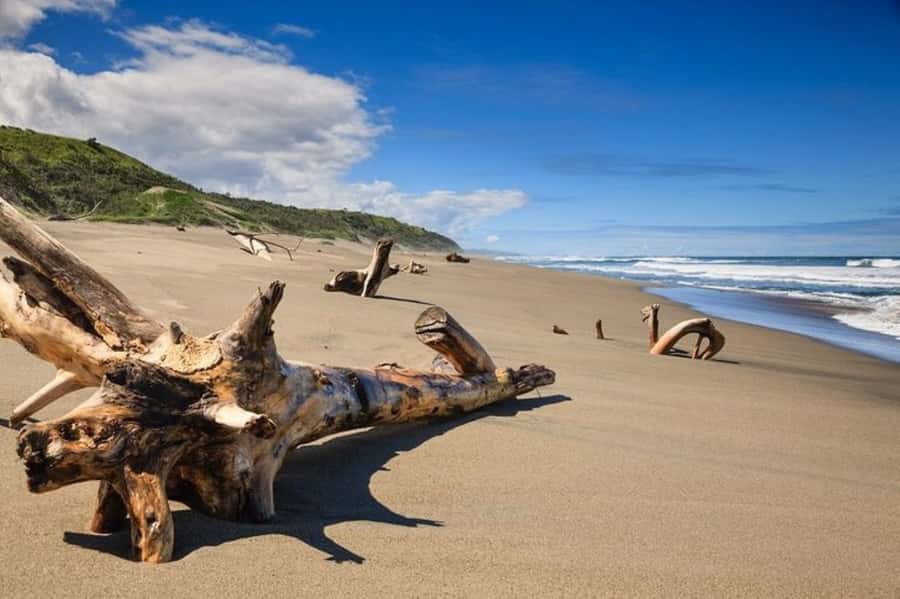
- 2 hours at Sigatoka Sand Dunes National Park with a guided walk and viewpoints
- A packed day with smart stops like a temple visit and market time, so bring cash for snacks and shopping
Other village visits and kava afternoons we have covered
- CFC Hot Spring Mud Pool,Garden Of Sleeping Giant And Village Visit Half Day Tour
★ 5.0 · 302 reviews - Fiji Cultural Full Day Island Cruise With Lunch & Transfers
★ 4.5 · 88 reviews - Nadi Sightseeing Including Viseisei Lookout, Village Tour, Garden & Temple Tour
★ 4.5 · 63 reviews - Nadi: Fijan Culture Night Tour with Dinner & Kava Ceremony
★ 4.9 · 57 reviews
A day that links Coral Coast villages with Sigatoka dunes
This is the kind of Fiji day trip that helps you see past the resort bubble. You start with hotel pickup and head out along the Coral Coast, passing Fijian villages while the day’s theme shifts from people to places to nature.
The rhythm matters. You get several short, meaningful stops rather than one long, slow shuffle, which keeps the energy up when you’re spending a total of 7 to 8 hours away from your room.
The best part is the mix: you’re not just watching culture from a distance. You’re greeted, shown how things are made, and allowed to speak with locals in a setting where it makes sense.
Pickup, timing, and what 7 to 8 hours really feels like
Your day starts with hotel pickup from a long list of Denarau, Nadi, Vuda, Lautoka, and other nearby areas. The exact start time depends on your location, but the overall plan stays the same: a full morning to afternoon schedule that returns you back to your hotel.
The tour is driven and guided in English. That matters on a trip like this because you’ll be moving through different cultural and natural sites, and you’ll want clear context along the way.
Also, there’s a practical reality here: you’re on your feet for portions of the day, especially during the dunes walk. Bring comfortable shoes and expect that the “easy day” feeling depends on footwear more than it depends on the itinerary.
School stop on the Coral Coast, what to do with your time
One of my favorite parts of this style of tour is the short village school stop. You’ll have around 30 minutes to talk with students, take photos, and learn what everyday life looks like outside the tourist strip.
If you want to do something extra, you can donate school supplies. The tour doesn’t require it, but if you do plan to bring items, it’s worth having them ready to go so you’re not sorting things when you arrive.
A small but important note: keep your interactions respectful and brief. You’re there as a visitor, not as a class substitute, and the goal is connection, not taking over the moment.
Lawai Pottery Village: kava welcome, dance, and a pottery demo
Lawai Pottery Village is where the day becomes clearly cultural. You’ll tour the village, get a kava welcome ceremony, and enjoy entertainment from villagers, including traditional dance. There’s also a tea ceremony during this stop, which adds a slower, more personal feel to the middle of a busy day.
The pottery demonstration is a key reason to choose this particular itinerary. Instead of only browsing an arts and crafts market, you get to see how the work is made, which helps you understand what you’re looking at when you later shop for souvenirs.
Tip for your photos: watch for moments during the ceremony and dance where the group is posed or moving together. Those usually turn into the best shots, because the activity is coordinated rather than spontaneous.


Temple visit at Shri Radha Krishna: quick, meaningful, and short
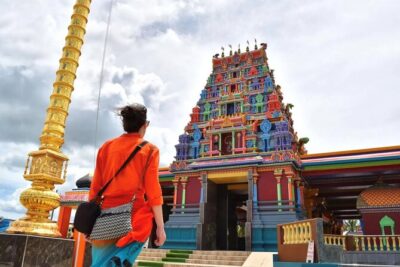
Between village culture and wildlife, you stop at Shri Radha Krishna Temple. The visit is brief, around 15 minutes, which means it’s best thought of as a respectful glimpse rather than a deep walkthrough.
This kind of stop is valuable because Fiji is more than one identity. You’ll see how different communities and traditions show up in everyday public life, even on a single day trip.
If you’re the type who likes to ask questions, this is one of the moments where your guide can help you interpret what you’re seeing. Still, keep it simple with a short, calm visit, and follow any local guidance you’re given on the spot.
Sigatoka market and Tappoo stop: shop time, snack time, plan for lunch
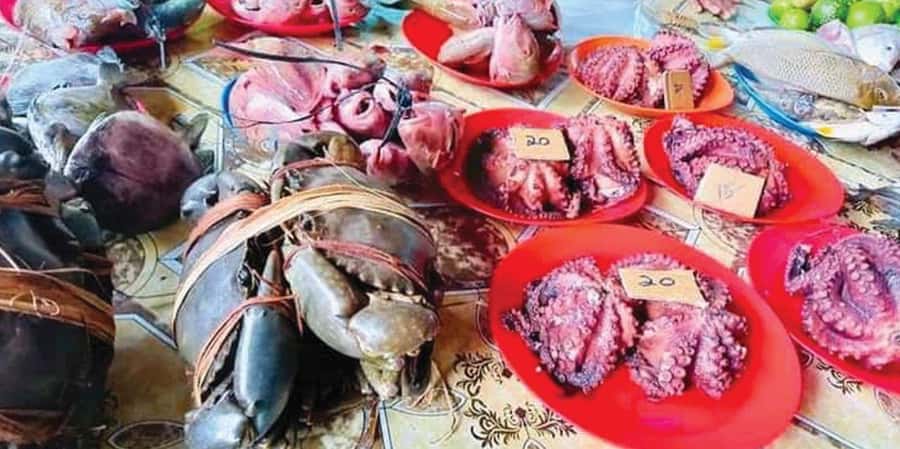
After the temple, the itinerary shifts into practical tourist territory: market time. You’ll visit Sigatoka Market for shopping and a short walk, then have another longer break at the Tappoo Sigatoka Shop for shopping, plus time labeled for lunch.
Food is not included in the tour price. That means the lunch moment is for buying your own meal if you want it, and the break is also a good window for water, snacks, and small purchases.
Bring cash. The tour includes fruits and a bottle of water, but market shopping and lunch are the parts where payment flexibility usually matters most.
If you’re sensitive to crowds, treat this as a quick browse rather than a long bargaining marathon. The time is short, and your money will go farther if you decide what you want fast.
Kula Eco Park and crested iguanas: the reptile stop that matters
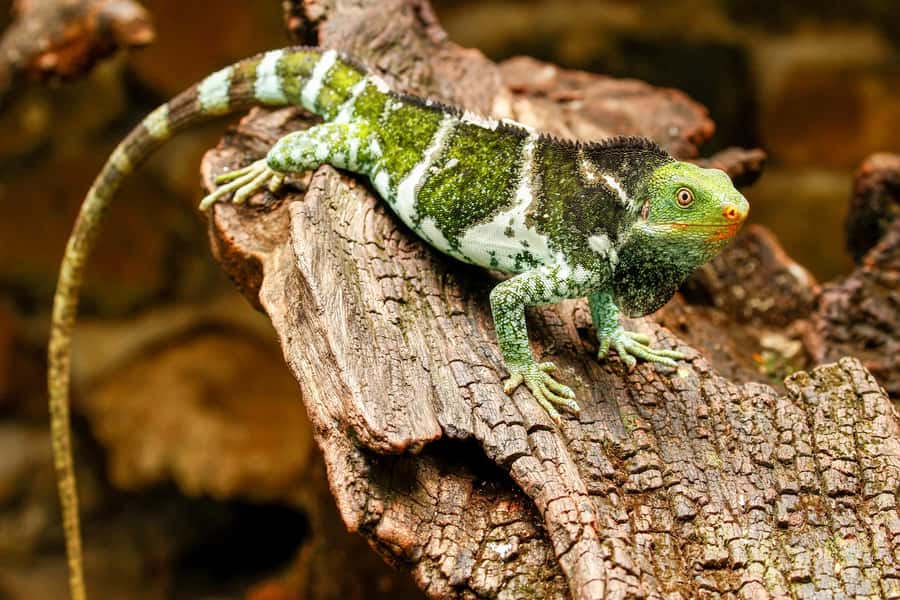
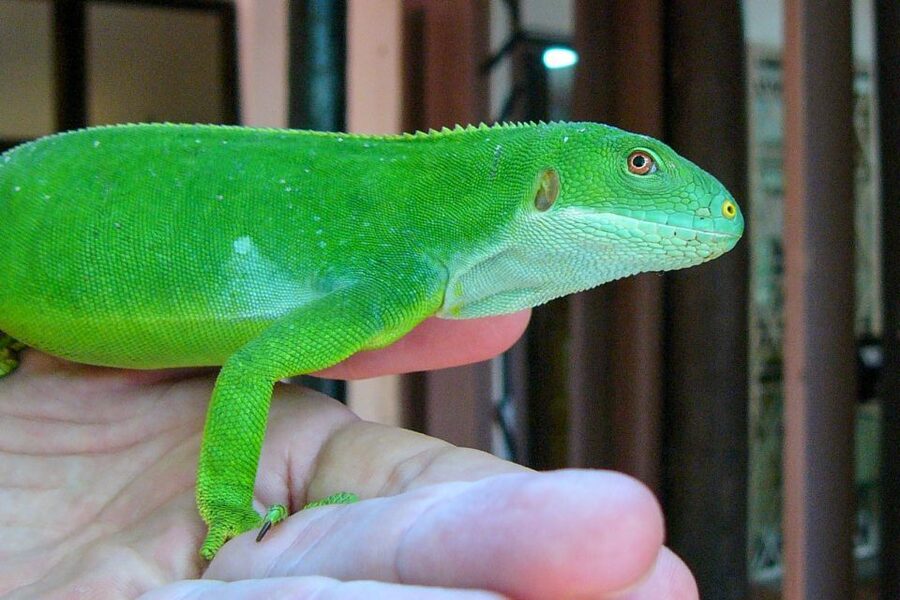
Now for the part that brings many people in, crested iguanas. You’ll head to Kula Eco Park (also referred to as Kula WILD Adventure Park in the schedule) for a guided tour of Fiji’s largest captive breeding center for Fiji’s rare crested iguanas.
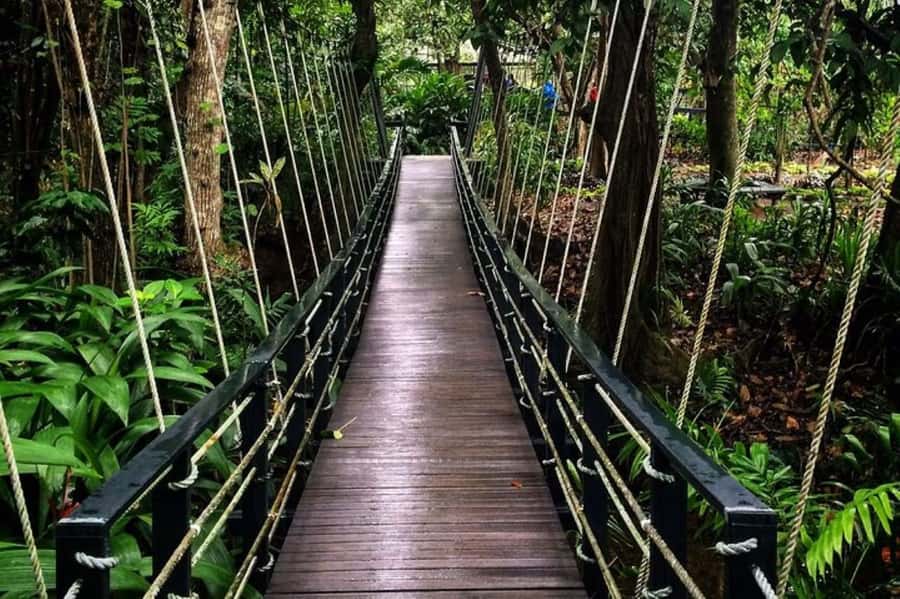
You’ll walk along wooden pathways through coastal forest and get points of interest from your guide. There are also marine displays and animal habitats, so the wildlife experience isn’t only about reptiles in one enclosure.
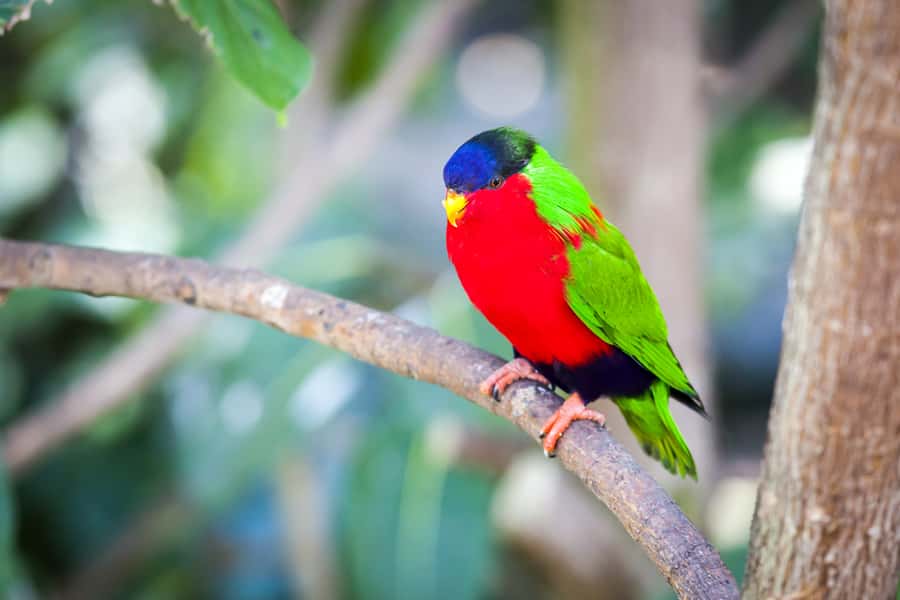
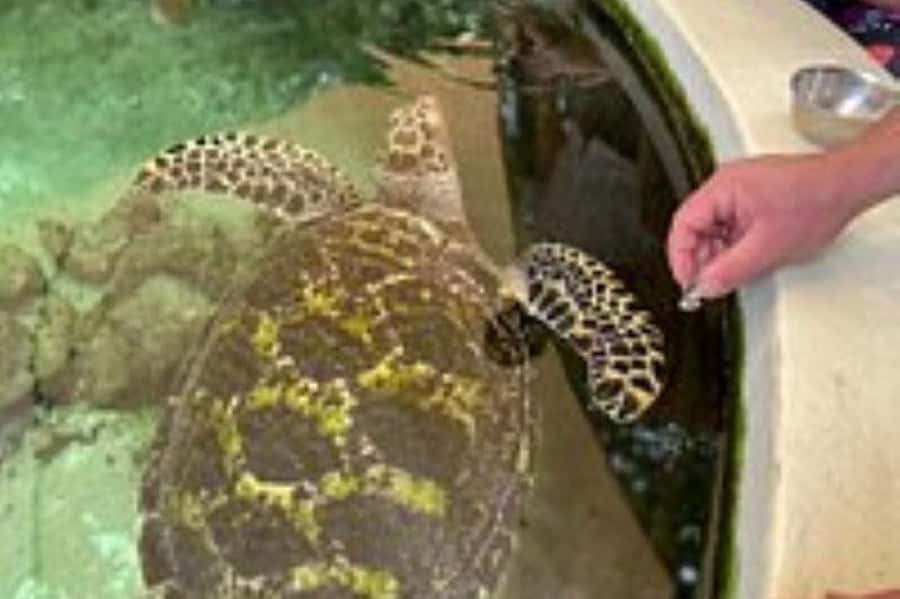
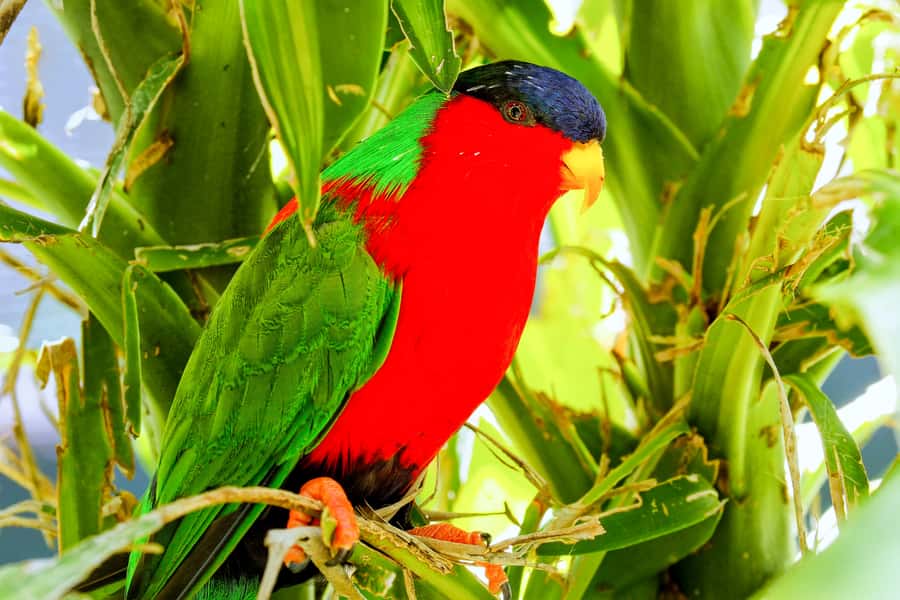
You can expect to see tropical animals like parrots, iguanas, fruit bats, fruit doves, turtles, and more. If you like animals, this is where you’ll slow down a bit, because the walkways and habitats make it feel like a real observation session.
One key budgeting note: the Kula eco park entrance fee is not included. The data lists an adult fee of 70 FJD, so plan for that on top of the tour price.
A balanced caution: the wildlife part is hit-or-miss depending on what you were hoping for. If you’re expecting a huge, open park with lots of space to roam, you might feel the time is short. Still, the crested iguana focus is the real reason this stop earns a spot on the route.
Sigatoka Sand Dunes National Park: guided walking and real scenery

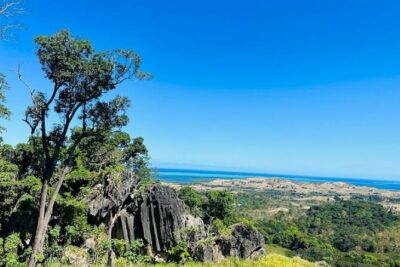
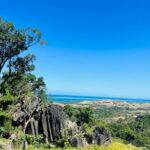
The highlight for most active travelers is the 2 hour guided visit to Sigatoka Sand Dunes National Park. This is where the day gets physical, with a guided walk and scenic viewpoints along the way.
The dunes setting is different from the beach. It’s drier, windier, and more exposed, so timing matters. When the guide is Anand, the day is planned with dune walking earlier to avoid the worst heat, which is smart and makes the walk more comfortable.
Wear shoes with grip. The dunes walk is not about speed, it’s about staying steady on shifting sand and uneven ground.
If you’re bringing a camera, consider packing it where you can reach quickly. The viewpoints can be great for wide shots, but the dune detail can be just as good if you take time to look at patterns in the sand.
Value for $117: what you get, what costs extra, and where your money goes

At $117 per person for 7 to 8 hours, the value depends on what you care about. You’re paying for hotel pickup and drop-off, plus entrance fees for the pottery village and the sand dunes. You also get a valley drive, a Sigatoka market stop, and fruits with bottled water.
Food is not included. That’s common on full-day tours, but it changes how you should budget. You’ll likely buy lunch during the Tappoo stop, and you may want a snack later depending on how fast the day moves for you.
The Kula eco park entrance fee is extra at 70 FJD for adults. If crested iguanas are a priority, that extra cost is part of what makes the stop meaningful. If reptiles are not your thing, you might wonder if you’d rather use that time differently, but on this itinerary, it’s a core stop.
Overall, this tour feels like good value if you want a real taste of Fiji beyond the beach. You’re covering several distinct experiences in one day, not just driving from one viewpoint to another.
Who this tour is best for, and who should pass
This day trip fits best for travelers who want variety and structure. If you like guided walking, cultural stops with real local interaction, and animal viewing that’s more than just a casual glance, you’ll probably love it.
It’s also a good pick for people staying around Nadi or Denarau because the pickup network is broad. You get out of town, see the Coral Coast, and return the same day.
Two groups should think twice. Pregnant women should not take this tour. And if you dislike long days on the move or you hate walking on sand, you may find the dunes portion uncomfortable even with good shoes.
What to bring, and how to make the day smoother
Keep it simple: comfortable shoes, a camera, and cash. The cash part is practical because lunch and shopping happen during breaks, and the Kula eco park entrance fee is also an added payment you need to be ready for.
A camera is important because this day mixes portraits, ceremonies, and scenery. You’ll have chances for photos at the school stop, at Lawai Pottery Village, around the temple, and during dunes viewpoints.
If you’re planning to donate school supplies, bring them in a way that’s easy to hand over. That way your attention stays on the people and the moment.
Should you book this Sigatoka culture and reptiles day trip?
Book it if you want a day that connects Fiji’s village culture with a guided dunes hike and a focused wildlife stop for rare crested iguanas. The route makes sense, the time allocation feels thought through, and the cultural components are more than quick photo opportunities.
Skip it if you only want a beach day, you hate walking on sand, or you don’t want to manage extra costs like the Kula entrance fee and your own food. Also, if you fall into the not suitable category for pregnancy, it’s best to choose a different option.
If you do book, the best way to get more out of the day is to plan your budget for lunch and Kula, wear shoes that handle sand, and treat the school and village stops as respectful, human moments first. That approach is what turns a packed itinerary into a genuinely memorable Fiji day.
FAQ
How long is the tour?
The tour runs about 7 to 8 hours.
Is hotel pickup and drop-off included?
Yes, hotel pickup and drop-off are included.
What entrance fees are included versus not included?
The pottery village fee and the sand dunes fee are included. The Kula eco park entrance fee is not included, with an adult fee listed as 70 FJD.
Is food included in the price?
No, food is not included.
What does the tour provide during the day?
You’ll receive fruits and a bottle of water.
What should I bring?
Bring comfortable shoes, a camera, and cash.
Does this tour have a minimum group size?
Yes, a minimum of 2 people per booking is required.
Is the tour suitable for pregnant women?
No, it is not suitable for pregnant women.
Everything Else We Have Reviewed in Fiji


Villages, Kava and Meke


Recently reviewed across the Fiji islands
- Private Roundtrip Transfer – Nadi Airport to Crown Plaza Nadi Bay★ 5.0 · 3 reviews
- Private Transfer-Nadi Airport to Nanuku /Pearl/Uprising Resort★ 4.0 · 3 reviews
- Private Arrival Transfer Nadi Airport to Shangri-la Resort★ 5.0 · 3 reviews
- CFC Approved Private Arrival Transfer – Nadi Airport to Fiji Marriott Resort★ 5.0 · 3 reviews
- Nadi Airport to All Denarau Islands Resorts (Private Transfer)★ 5.0 · 3 reviews
- Kava Factory Tour and Flavored Kava Tasting Experience★ 5.0 · 3 reviews
Fijian Village & Culture Tours, compared.
 ★ 5.0Cruisin Fiji: Authentic Fijian Day Cruise – Best Day in FijiFrom $1452,409 reviews
 ★ 5.0Jewel Of Fiji incl Fijian Village, waterfall & Lunch(Nadi Hotels)From $111570 reviews
 ★ 4.5Cultural Night TourFrom $82470 reviews
 ★ 4.8Authentic Fijian Day Cruise by BoatFrom $143342 reviews
 ★ 4.6Garden Village Hot Spring & Temple Highlights TourFrom $75339 reviews
 ★ 5.0CFC Hot Spring Mud Pool,Garden Of Sleeping Giant And Village Visit Half Day TourFrom $108302 reviews
 ★ 5.0ATV Quad Bike Adventure Tour to Remote Village and School (Departs Nadi)From $18798 reviews
 ★ 4.5Vuda Lookout, Vesisei Village, Market, Temple & Garden of Sleeping Giant TourFrom $31797 reviews
Browse the lists this tour appears in