
REVIEW · YASAWA ISLANDS CRUISES
Fiji: Kuata Island Marine Conservation Experience Full Day
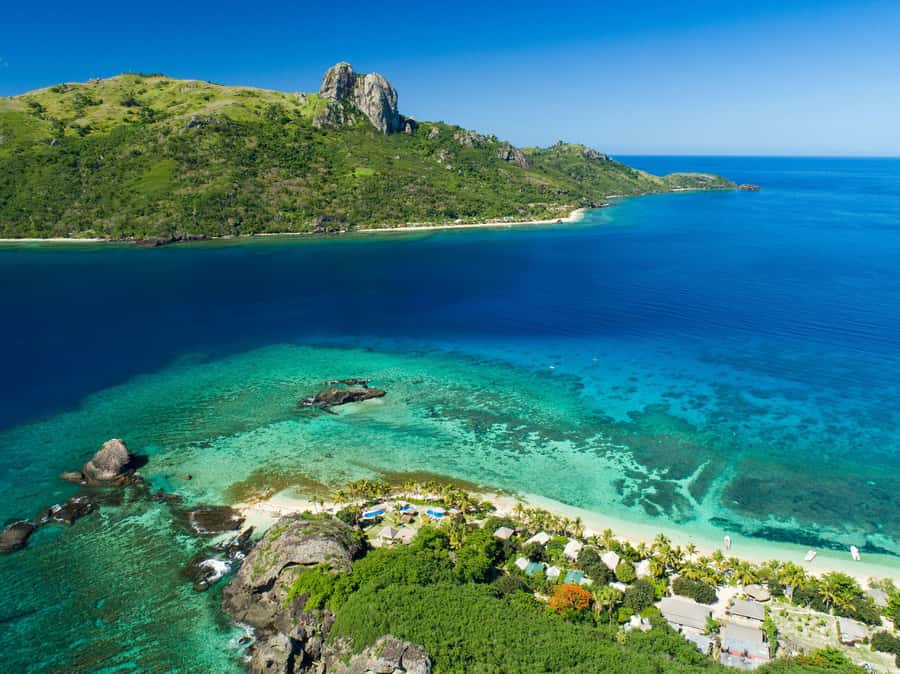
Corals don’t just get admired here, they get tended. This full-day Kuata Island marine conservation experience at Barefoot Kuata Island Resort pairs a marine biologist-led snorkel with hands-on coral regeneration, plus a low-tide walk that explains what makes the intertidal zone so important.
I especially like that the day has clear structure and real purpose, not just sightseeing. You get a guided look at coral gardens and then take part in the regeneration program during the snorkel, with the biologist translating what you see as you go.
One thing to consider: the experience is scheduled for a full day and it is not suitable for wheelchair users or visually impaired people, so comfort with water and outdoor walking matters.
In This Review
- Key highlights
- The Big Idea: Conservation That Actually Has a Job to Do
- Timed Like a Day Trip, Not a Half-Day: Getting From Denarau to Kuata
- Barefoot Kuata Island Resort: Where the Lesson Begins
- The Snorkel With a Marine Biologist and Coral Gardens
- Coral Regeneration: What You Are Really Helping With
- Low Tide Intertidal Exploration: The Ocean’s Weirdest Neighborhood
- Lunch at Barefoot Kuata: Energy That Does Not Break the Day
- What’s Included for $191, and Why That Price Can Make Sense
- Who This Tour Fits Best (And Who Might Want to Skip It)
- What to Bring and How to Prepare Without Overthinking It
- Should You Book the Kuata Island Marine Conservation Experience?
- FAQ
- What time does the tour start and end?
- How long is the full-day experience?
- Is this a small group tour?
- What does the price include?
- Are drinks included with lunch?
- What should I bring?
- Is lunch suitable for vegans?
- Is the tour accessible for wheelchair users or people with visual impairments?
Key highlights
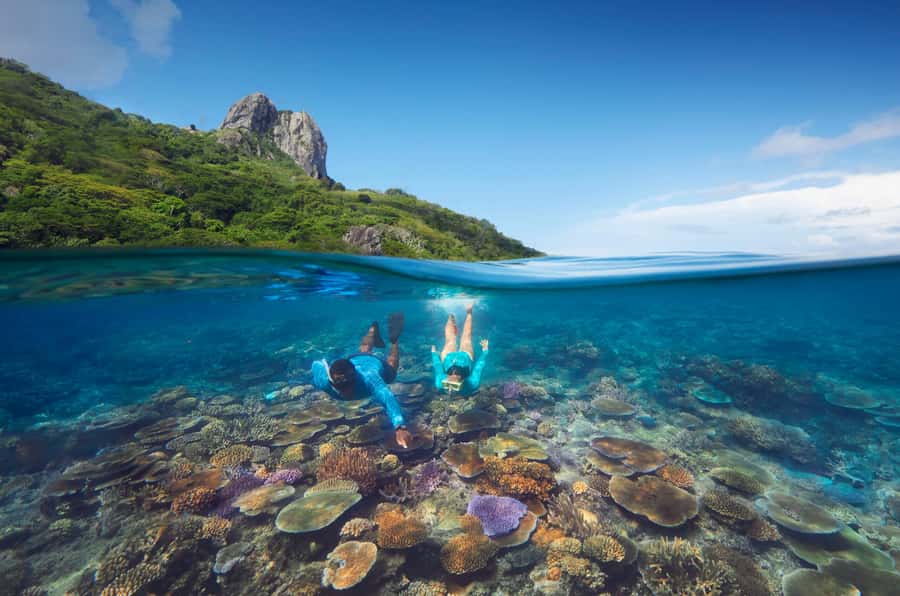
- Marine biologist guided snorkel focused on the coral gardens around Barefoot Kuata Island Resort
- Coral regeneration participation during the snorkel, with the biologist explaining what you are doing
- Low-tide intertidal zone exploration, where you learn how this ecosystem works and what to look for
- Buffet lunch at Barefoot Kuata, including vegan options reported by guests
- Small group size (limited to 10), so questions do not get lost in the crowd
The Big Idea: Conservation That Actually Has a Job to Do
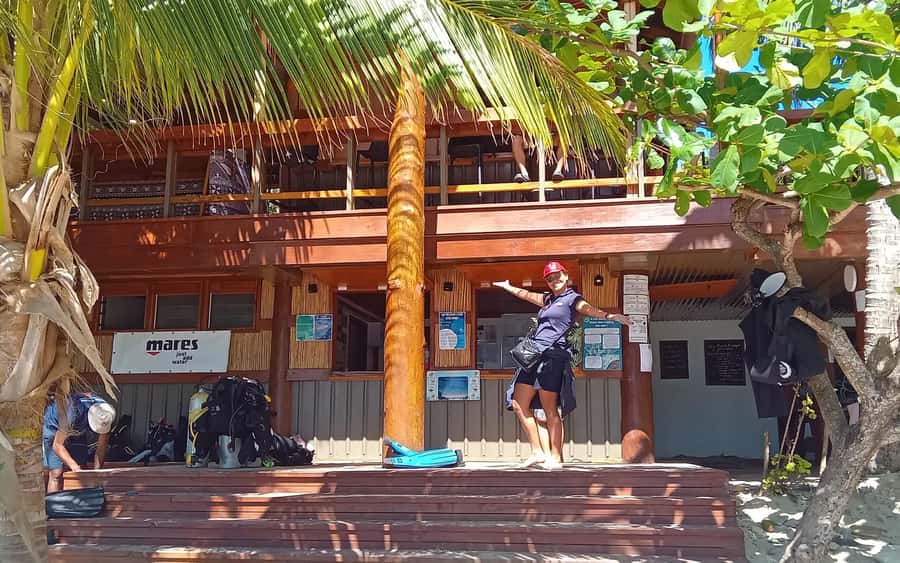
Fiji’s reefs look gorgeous from the surface, but what most people miss is what is happening underneath, and what is required to help reefs recover. This Kuata day is built around that gap. You are not only watching the ocean, you are participating in an active coral regeneration program as part of the snorkel.
That matters because coral restoration is not one photo stop. It is care, monitoring, and timing, and the biologist approach turns the experience from vague feel-good to practical understanding. Even if you are not a marine nerd, you end up with a mental map of the reef ecosystem and why specific areas get attention.
The second key ingredient is the second habitat you explore: the intertidal zone at low tide. Reefs get the headlines, but the intertidal zone is where you can see how life copes with changing water conditions. That low-tide element gives you a broader view of what “marine conservation” looks like in real life, not just reef snorkeling.
Timed Like a Day Trip, Not a Half-Day: Getting From Denarau to Kuata
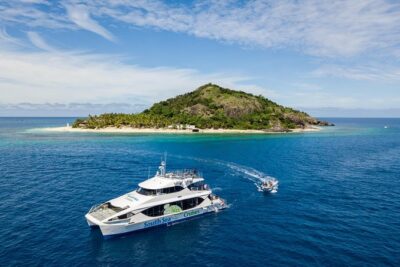
The schedule runs as a full-day outing, but it is timed like a classic island day trip. You depart Port Denarau at 8:45 AM, arriving at Barefoot Kuata at 10:30 AM after a scenic 1 hour 45 minute cruise through the islands.
Plan on the day starting earlier than you expect. Coach pickups begin about 75 minutes before the vessel departs from Port Denarau, and the tour notes that pickup times depend on where you stay. If you are in Denarau, Wailoaloa, Nadi, or Vuda, you are in the coverage zone, but you should confirm your exact coach time with the reservations team or by checking the coach timetable.
After your island activities, the return is equally structured. You depart Barefoot Kuata at 4:05 PM and arrive back in Port Denarau at 6:00 PM. In other words, you get a full morning on the water and at low tide, then lunch and a final stretch before heading home.
Why this matters for your trip planning: Kuata is not something you tack onto the end of another plan. You are doing a whole focused day with limited flexibility once it starts. If you like calm schedules and hate rushing, this format is a good match.
Barefoot Kuata Island Resort: Where the Lesson Begins
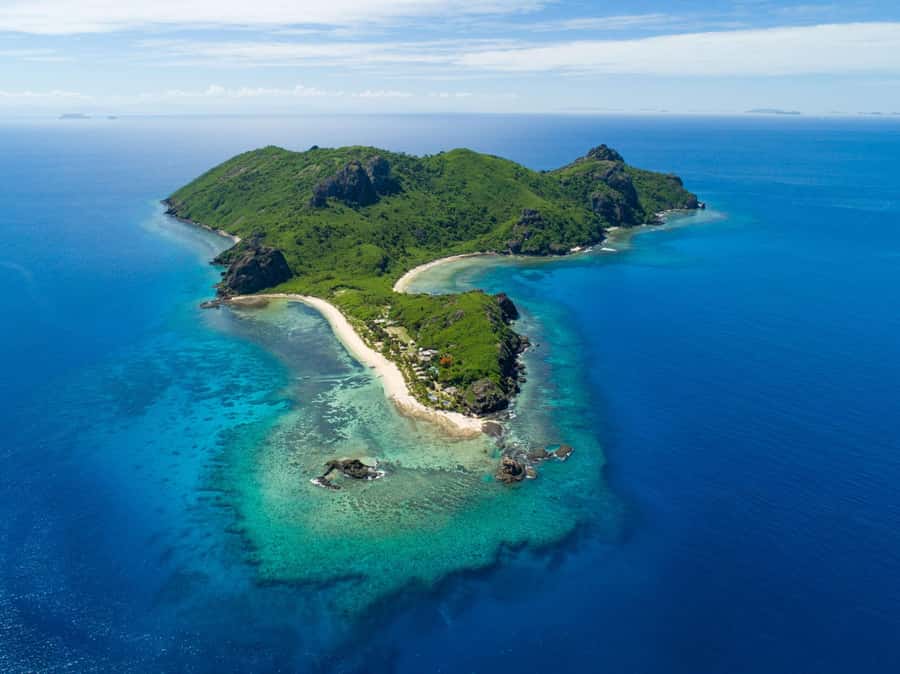
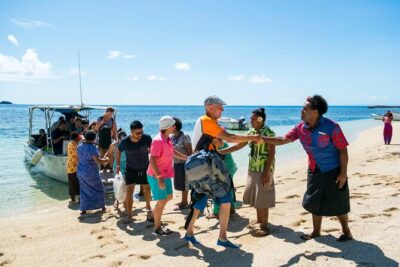
Your day starts on the island with a welcome from the resort staff, then a guided introduction by a qualified marine biologist. This is not filler. The biologist intro sets expectations for what you will see during the snorkel and the low-tide walk, and it helps you connect names and behaviors to actual living things.
This matters because coral gardens can look similar if you are just floating around. With an explanation in your pocket, you are more likely to notice differences in coral shapes, areas under stress, and how fish use the structure. That is the difference between pretty water and real understanding.
Also, you are at a resort base, so you get the practical comforts that make snorkeling and learning feel manageable. You are not managing the day solo, and you are not improvising logistics.
The Snorkel With a Marine Biologist and Coral Gardens
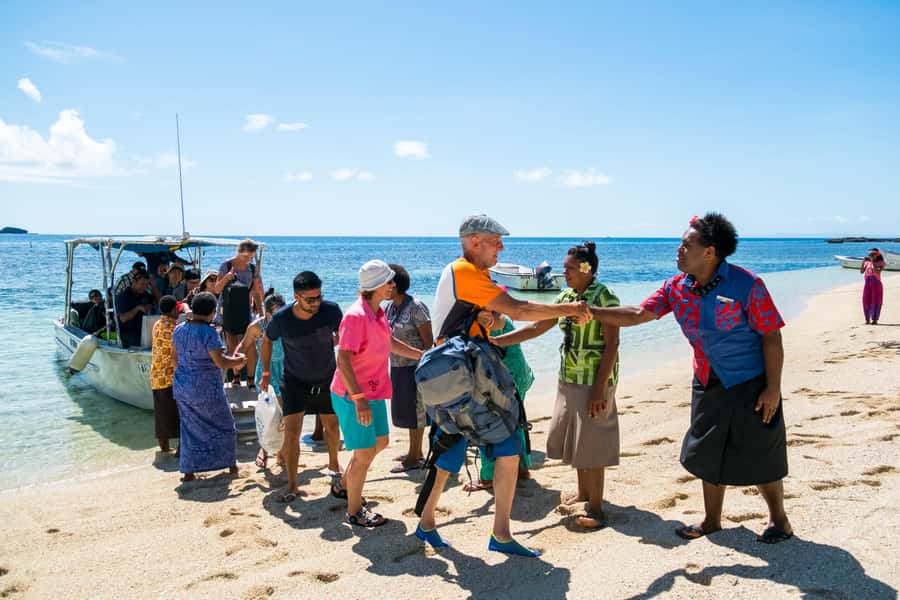
The main water time is a guided snorkel led by the marine biologist. This is the part you should treat as the core of the experience, because it connects visuals to action.
Here is what makes it special: the snorkel is not just sightseeing. You also participate in the coral regeneration program during this snorkel. The biologist guides you through what you are doing and what the purpose is, which means you are not left guessing. You can focus on what you see and what the program tries to achieve.
What I like about this approach is that you get immediate context. You are learning while the reef is right in front of you, instead of getting a lecture after the fact. That reduces the common problem with reef tours, where you leave with photos and no understanding.
A couple of practical notes for you before you go in:
- Wear your swimwear and keep a hat handy for the non-water parts of the day.
- Bring your camera, but also expect that you may be focused on listening during the explanation.
- Expect conditions tied to the day’s schedule, because this tour uses a low-tide segment later.
Small group size helps here. Limited to 10 participants, you are more likely to get the biologist’s attention and follow the plan without feeling like you are part of a moving assembly line.
Coral Regeneration: What You Are Really Helping With
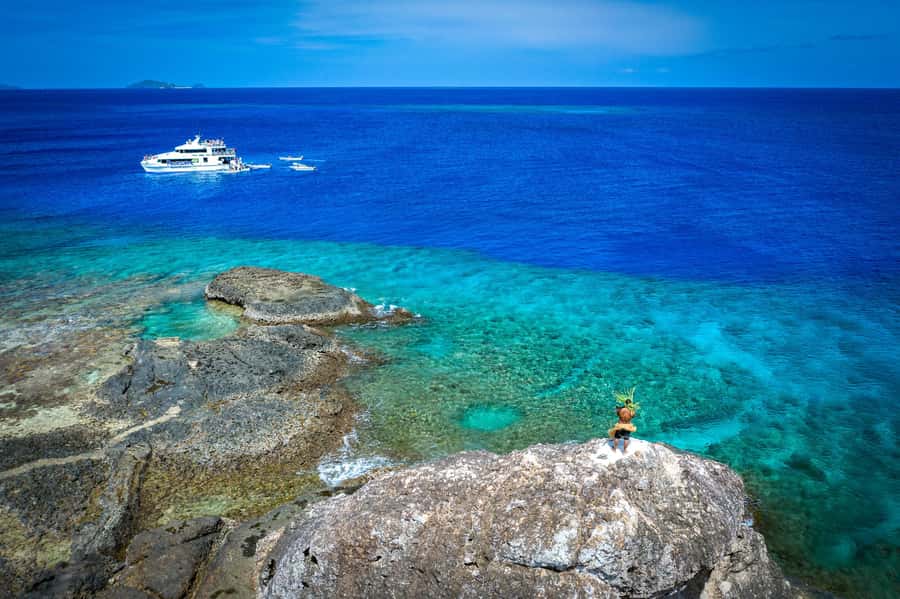
Coral regeneration can sound abstract, but the structure of this tour makes it tangible. You are doing a specific activity as part of the program during the snorkel, under guidance from the marine biologist.
The practical value is that you learn what regeneration means in practice. Instead of thinking of reefs as static, you start seeing them as systems that require ongoing care. That shift in viewpoint changes how you look at coral, algae, fish habitat, and reef structure.
It also helps you understand conservation as a long game. A reef restoration program is not a one-day effort, but your participation is part of the broader work. When the biologist explains what you are doing and why, you get a better sense of where you fit in the chain.
And yes, it can feel emotional in a grounded way. You are not witnessing destruction and hoping for the best. You are contributing to recovery, which makes the day feel purposeful from start to finish.
Low Tide Intertidal Exploration: The Ocean’s Weirdest Neighborhood
The second guided element is the low-tide exploration of the intertidal zone. This is one of the most interesting segments because it changes the rules. At low tide, you can see marine life in a different way, and the habitat becomes a kind of living mosaic of pools, surfaces, and exposed zones.
The tour frames the intertidal zone as hugely important for environmental reasons, and that framing is spot-on. This is where organisms deal with extremes that reef fish never have to face in the same way. The biologist walk helps you understand what makes the intertidal zone distinct and what to look for as you explore.
For you, the payoff is twofold:
1) You get to see life you might miss during snorkel time.
2) You learn how survival strategies change when the ocean shifts.
It also adds variety to the day. If you are worried that the day will feel repetitive, the low-tide walk breaks it up and gives you a different learning channel, more hands-on observation with a guide.
Lunch at Barefoot Kuata: Energy That Does Not Break the Day
Lunch is a buffet at Barefoot Kuata Island Resort, included in the price. This is the moment most people feel grateful for. After swimming, snorkeling, and exploring, you want food that is easy and filling, not a complicated plan.
One useful detail from guest feedback: vegan options were provided and worked well for at least one guest. That is a good sign for flexibility, especially if you eat plant-based or have specific dietary needs. The tour does not list a full menu here, so I would still expect that choices may vary day to day.
A key cost note: drinks at lunch are not included. If you want a soda, juice, or anything beyond water, plan for that extra expense.
What’s Included for $191, and Why That Price Can Make Sense
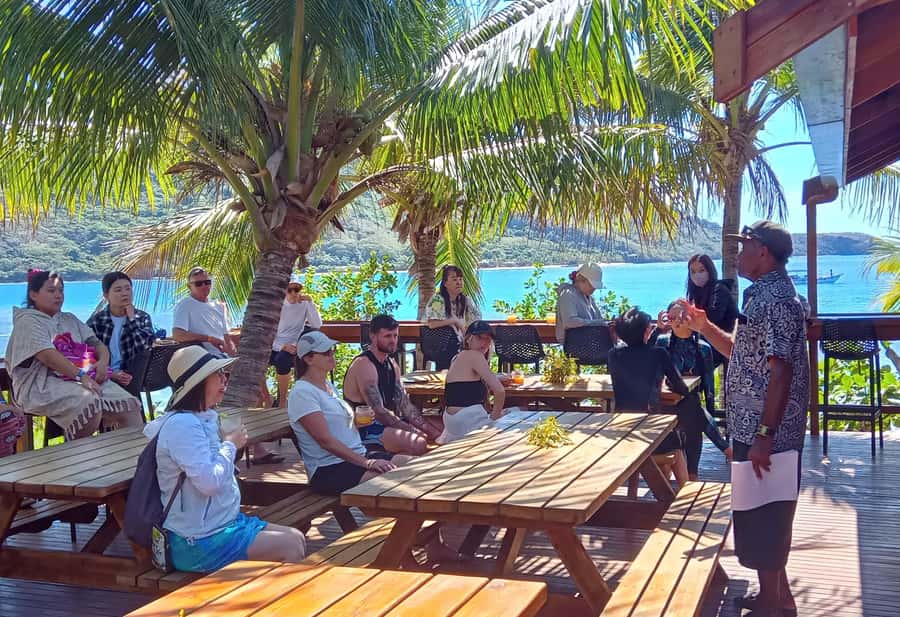
At $191 per person, this is not a budget add-on. But when you match the price against what you get, it looks like a fair value for a guided conservation-focused day.
Included highlights:
- Complimentary coach transfers from most Denarau, Wailoaloa, Nadi, and Vuda hotels and resorts
- A long scenic cruise through the islands (1 hour 45 minutes)
- A buffet lunch at Barefoot Kuata
- A marine conservation talk by a marine biologist
- A guided snorkel with the marine biologist
- A low-tide intertidal zone exploration with the marine biologist
That is a lot of guided time with specialized leadership. Many tours give you a guide and a boat ride and call it a day. Here, you are paying for marine biology interpretation plus active participation in coral regeneration, plus two different habitat experiences.
You are also paying for small group touring. Limited to 10 participants, the biologist can answer questions and the pacing stays human.
If you are the type who wants snorkeling plus context plus a conservation angle, the price can feel justified. If you only want a simple beach day, this may feel like more structure and less free time than you want.
Who This Tour Fits Best (And Who Might Want to Skip It)
This experience is a strong match for:
- People who enjoy snorkeling and want more than a quick look at fish
- Travelers who like learning from a marine biologist while they are actually seeing the subject
- Anyone curious about coral restoration and the intertidal zone
- Groups who appreciate a small group size rather than a crowded boat
It is not suitable for:
- Wheelchair users
- Visually impaired people
And a practical mindset is helpful. This is a full day, and the activities are scheduled around the tide and the cruise timing. If you are easily exhausted by early departures and water time, you might feel the pace more than you expect.
What to Bring and How to Prepare Without Overthinking It
The tour lists a short packing set, which is nice because you are not guessing:
- Hat
- Swimwear
- Camera
Wear swimwear when convenient, so you spend less time changing and more time enjoying the guided parts. Since you are snorkeling and exploring at low tide, bring a realistic expectation of getting wet and spending time outdoors.
One extra preparation tip: keep your day focused. This tour’s value comes from the biologist talk and guided observation. If you show up mentally scattered, you will miss the main point.
Should You Book the Kuata Island Marine Conservation Experience?
Yes, I think you should book this tour if you want a Fiji day that feels active and meaningful. The combination of a marine biologist-guided snorkel plus hands-on coral regeneration gives you a conservation story you can actually connect to what you see underwater. Add the low-tide intertidal exploration, and you get two different ecosystems in one day.
Skip it if you want a relaxed island lounge day with minimal structure, because this is built around a timed schedule and water activities. Also, if you need wheelchair access or have visual accessibility needs, it is not listed as suitable.
For most travelers who can handle snorkeling and an outdoor, full-day itinerary, this looks like a smart use of your time in the Yasawa Islands.
FAQ
What time does the tour start and end?
You depart Port Denarau at 8:45 AM and arrive at Barefoot Kuata at 10:30 AM. You return to Port Denarau by 6:00 PM, departing the island at 4:05 PM.
How long is the full-day experience?
The tour duration is listed as 9 hours.
Is this a small group tour?
Yes. The group is limited to 10 participants.
What does the price include?
It includes coach transfers from most Denarau, Wailoaloa, Nadi, and Vuda hotels and resorts, a 1 hour 45 minute scenic cruise, buffet lunch, a marine conservation talk by a marine biologist, a guided snorkel by a marine biologist, and a low tide intertidal zone exploration with a marine biologist.
Are drinks included with lunch?
No. Drinks at lunch are not included.
What should I bring?
Bring a hat, swimwear, and a camera.
Is lunch suitable for vegans?
The tour includes buffet lunch, and vegan options were reported by at least one guest. The tour does not provide a full dietary guarantee list in the details shown.
Is the tour accessible for wheelchair users or people with visual impairments?
No. The experience is listed as not suitable for wheelchair users or visually impaired people.
Yasawa Islands Cruises, compared.
 ★ 4.5Blue Lagoon Cruises – Wanderer Cruise – 4 NightFrom $1,67834 reviews
 ★ 3.5Yasawa Islands Explorer Cruise with LunchFrom $9026 reviews
 ★ 4.5Blue Lagoon Cruises – Explorer Cruise – 3 NightsFrom $1,17721 reviews
 ★ 4.5Kuata Island Marine Conservation Experience with LunchFrom $15019 reviews
 ★ 3.5Coconut Cruiser Package | 7Days | 6Nights with All Activities IncludedFrom $85518 reviews
 ★ 3.5Yasawa Hop-On Hop-Off PassFrom $28412 reviews
 ★ 3.8Yasawa Islands Explorer Cruise with LunchFrom $1146 reviews
 ★ 4.0Yasawa Wanderer Package 8 Days| 7 Nights – All Activities IncludedFrom $1,0124 reviews
Browse the lists this tour appears in