
REVIEW · FIJIAN VILLAGE & CULTURE TOURS
Fiji: Navala Village Cultural Tour & Traditional Lunch
Mountain mornings can feel timeless.
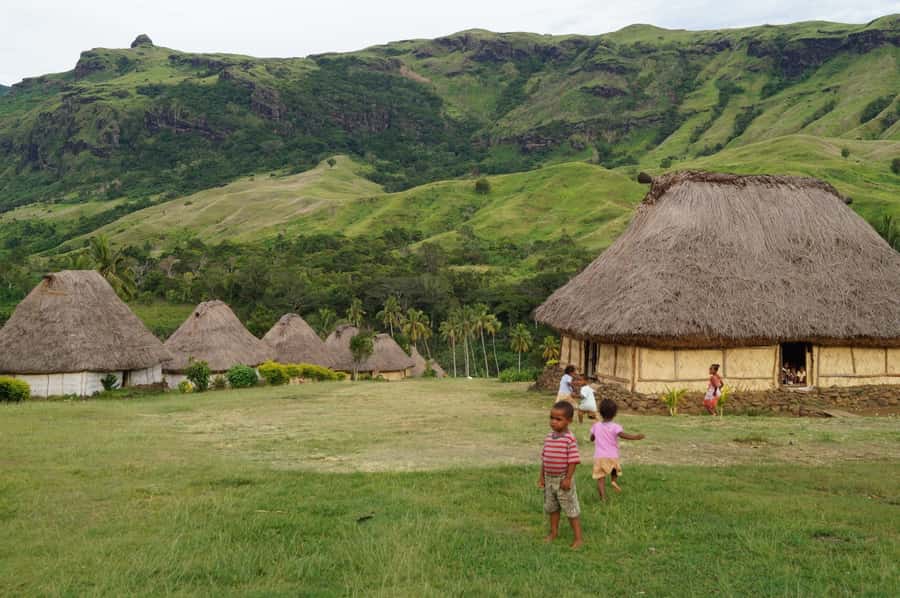
This Navala Village cultural tour is one of the most direct ways to see how people live in the mountains of Fiji, starting with the sevusevu welcome and moving into the village itself. I loved stepping into the traditional bures with the locals and seeing daily life up close, not just from a distance. The main thing to consider is that the village has clear rules on clothing and accessories, and you should plan to follow them carefully (hats and sunglasses are a no).
After pickup, you’re not just transferred there. Your guide, including folks like William and Ve, shares Fiji context during the ride, and that makes the day feel grounded. You’ll also get a short guided walk with a visit to the remote primary school, plus time for a river swim, then you finish with a traditional lunch made by villagers.
One more practical point: this is about culture and walking, so wear comfortable shoes, expect limited mobility options, and save your energy for the village portion of the day. The tour wraps up with return to your hotel by about 4:30 PM.
In This Review
- Key highlights you’ll actually feel on this tour
- Why Navala Village feels more real than most day trips
- Hotel pickup and the mountain ride, with room for photo stops
- The sevusevu welcome inside a bure
- Guided village walk, from bure life to a remote primary school
- Traditional lunch: why the meal is part of the lesson
- River swim in the Ba River area, plus mountain-air recovery
- Price and value, what $222 per person is buying
- What to bring, and the rules that can catch you off guard
- Who should book Navala, and who should choose something else
- Should you book the Navala Village cultural tour?
Key highlights you’ll actually feel on this tour
- Sevusevu welcome in a traditional bure that sets the tone fast
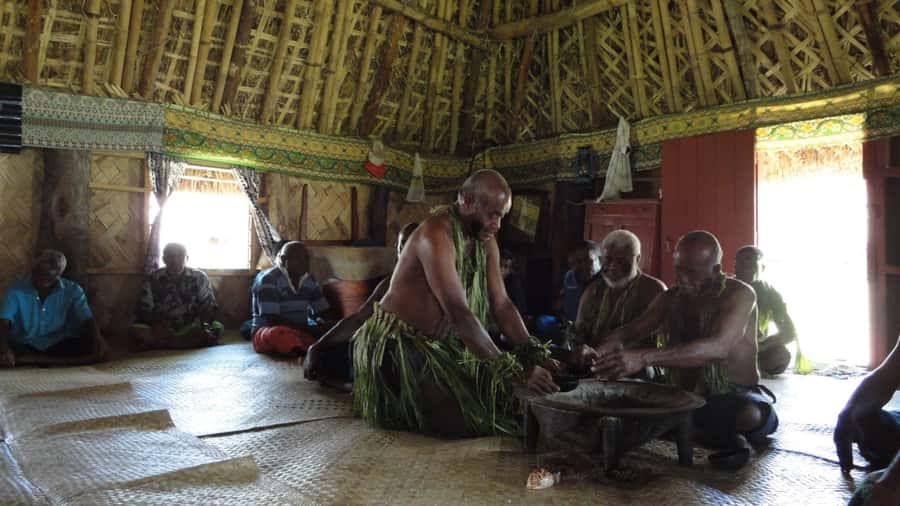
- Bures you can view from inside, so you understand how homes work day to day
- Guided village walk with a school stop that adds real meaning
- Scenic mountain ride with photo stops en route to Navala
- Traditional lunch prepared by locals featuring village-grown foods
- River swim in the Ba River area for a refreshing break
Other village visits and kava afternoons we have covered
- CFC Hot Spring Mud Pool,Garden Of Sleeping Giant And Village Visit Half Day Tour
★ 5.0 · 302 reviews - Fiji Cultural Full Day Island Cruise With Lunch & Transfers
★ 4.5 · 88 reviews - Nadi Sightseeing Including Viseisei Lookout, Village Tour, Garden & Temple Tour
★ 4.5 · 63 reviews - Nadi: Fijan Culture Night Tour with Dinner & Kava Ceremony
★ 4.9 · 57 reviews
Why Navala Village feels more real than most day trips
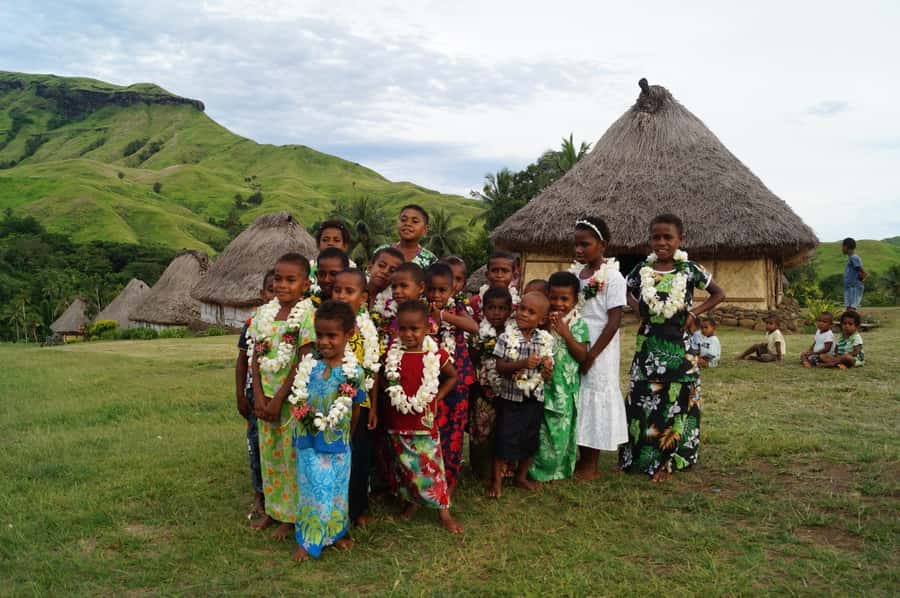
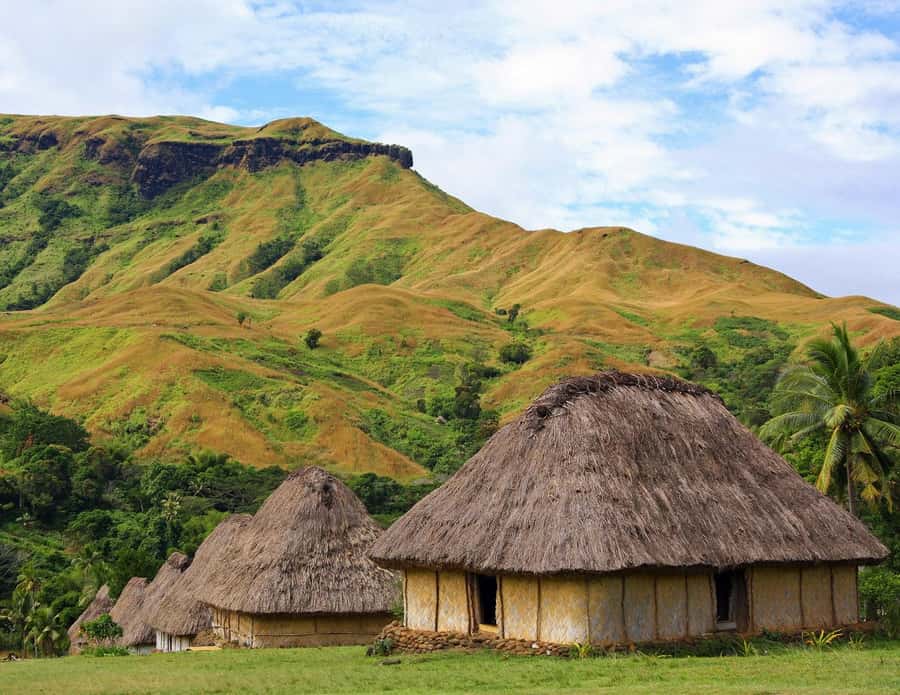
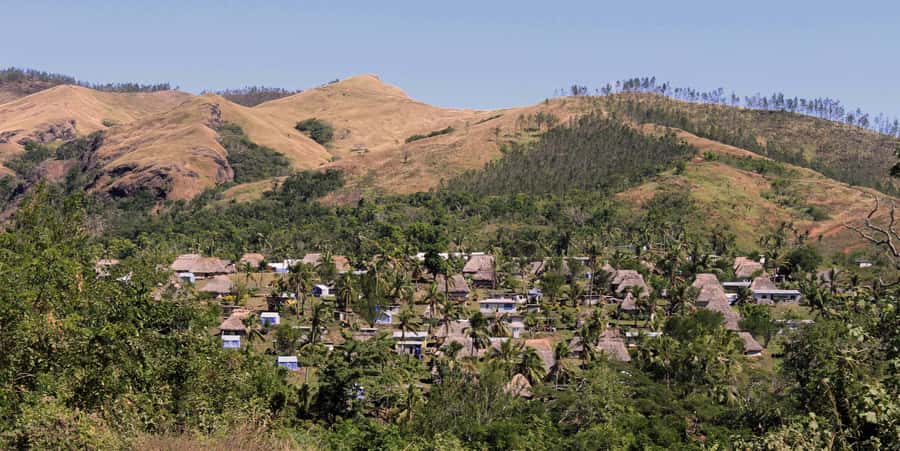
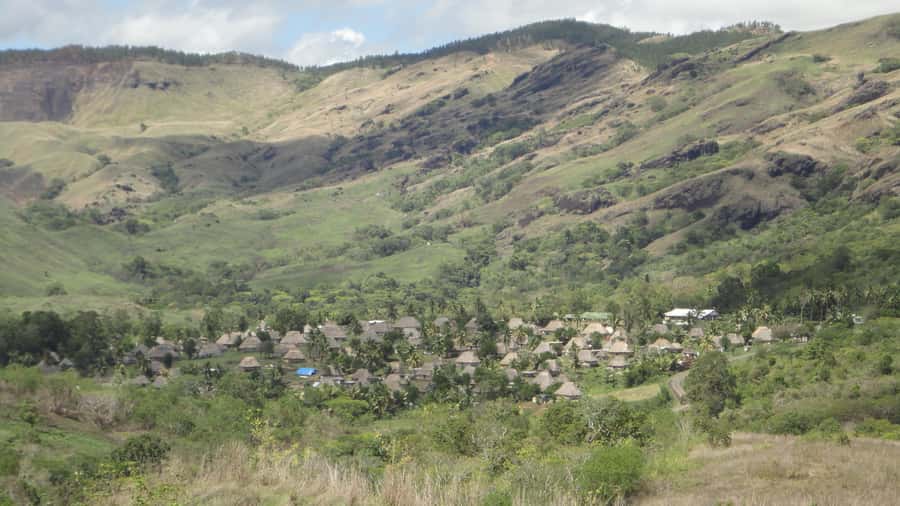
Navala is carved into the side of the mountain in the Ba area, so the setting matters. The village is built with thatched roof houses called bures, and the structures look simple until you learn what makes them practical for life up there. Instead of treating the village like a stage set, this tour is designed around learning how residents live, grow food, and maintain community.
I like that the day is paced around relationships. You’re greeted properly, you tour with a local guide, and you hear explanations from your host about traditional ways of life. That means you’re not just collecting photos. You’re getting the context for what you’re seeing, and that changes how the experience lands.
The mountain setting also comes with a useful reminder: being “farther out” is part of the point. You can feel why people settled this way, and why routines revolve around seasons, crops, and the natural resources around them.
Hotel pickup and the mountain ride, with room for photo stops
Most departures start with hotel pickup in the Nadi and Denarau area, including hotels in Vuda and Wailoaloa, plus some options like First Landing, Fiji Marriott, Shangri-la Yanuca, and Outrigger Resort. If you’re staying outside that list, your pickup details may differ, so it’s worth checking before you rely on it.
Your ride is part of the experience. The drive takes you into the mountains toward Navala, and there are photo stops en route so you’re not rushed the whole time. The guide also shares information about Fiji during the journey, which helps you understand the day’s cultural stops before you even reach the village. In the two guide-focused reviews, William was praised for having strong knowledge on the drive, and Ve was noted as helpful and informative.
Practical tip: be ready in the lobby about 15 minutes before pickup time. Your driver is in a Rosie Holidays bus or van, so keep an eye out for that.
The sevusevu welcome inside a bure
The first big moment is the sevusevu welcome ceremony inside a bure. This is where the day stops being a normal tour and starts being a respectful visit. You’ll be welcomed according to local tradition, and it’s a good time to switch into “observer with manners” mode.
What I find most valuable here is the way the ceremony acts like a cultural orientation. It signals that you’re entering someone’s home community, not just touring an attraction. From there, you’re ready to understand what comes next: the village tour is guided, and you’re expected to listen and follow directions from your host.
Etiquette matters a lot in this village:
- Remove your shoes before entering any house.
- Stay with your assigned host.
- Be respectful of the village and its inhabitants.
- Alcohol is prohibited in all village areas during the visit.
These details might sound small, but they make the difference between feeling like a respectful visitor and feeling like you’re “doing” the tour instead of participating.
Guided village walk, from bure life to a remote primary school
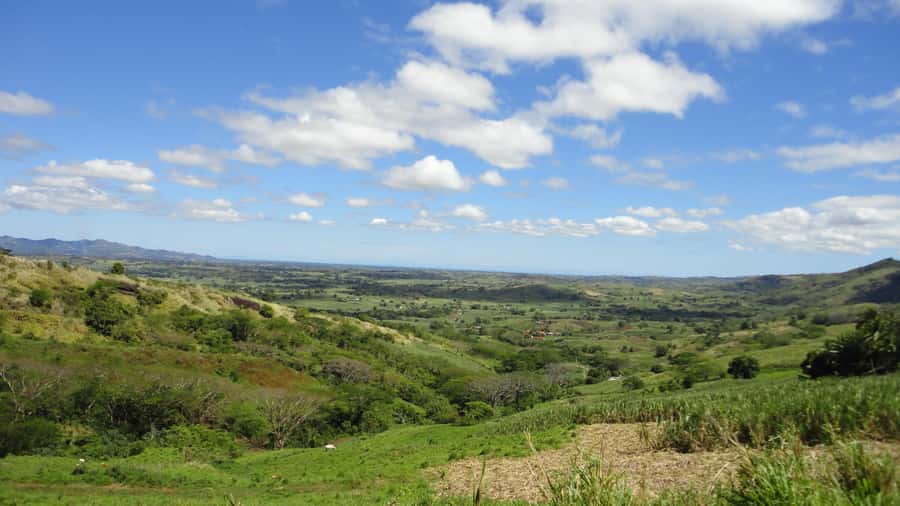
Once you’ve been welcomed, you’ll take a short guided tour around Navala. This is where you start seeing the patterns of daily village life. You’ll walk with a local guide and visit places that show how the community functions, including a remote primary school.
The school stop is more than a photo moment. It helps explain what “remote” means in practice. It’s one thing to hear a village is in the mountains. It’s another to see that children and families build their future in the same environment that shapes farming, weather, and water access.
During the tour, your host shares how traditional life works, including:
- How villagers plant their own food, including root crops, fruits, and vegetables
- How they rely on seasonal supplies from the jungle, like wild fruits, yams, and wild pigs
- How they use cold waters from the upper source of the Ba River to bathe and reset
I love when a tour connects what you’re seeing to why it matters. Here, each stop nudges you toward understanding the logic of the place. It’s not just scenery and buildings. It’s livelihood.


Traditional lunch: why the meal is part of the lesson
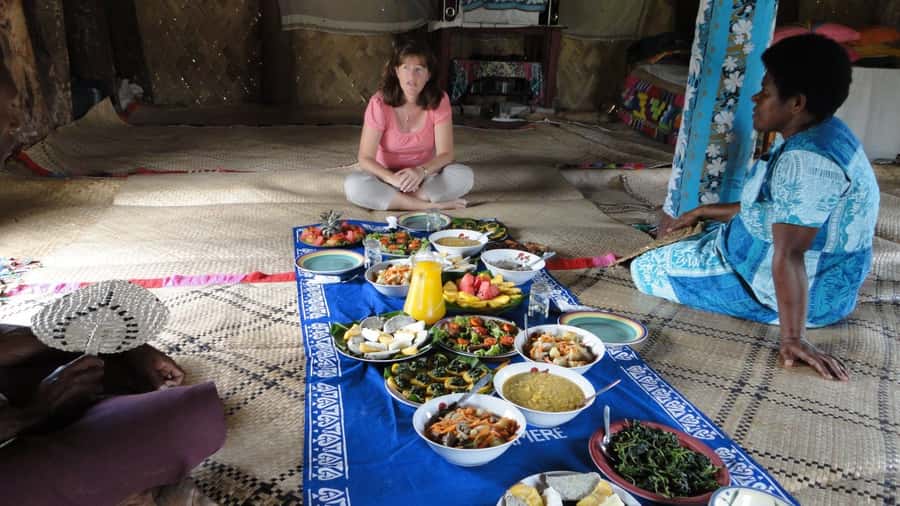
After the tour, you’ll have time for a traditional Fijian lunch prepared by villagers. This is included in the price, and it’s one of the strongest reasons this day trip feels worthwhile. Food is often an afterthought on cultural tours, but here it’s built into the structure of how the village shares its life.
You’ll learn about what villagers grow and gather through the seasons. The meal ties back to what you heard earlier: village-grown root crops, fruits, and vegetables, plus seasonal supplies from the jungle. Even if you don’t catch every detail, the timing and the setting do the teaching for you.
Also, this is the moment when the day becomes more relaxed. Your guide’s cultural explanations have a natural landing point in the lunch, so you can ask questions if you want and just enjoy the rhythm of the meal.
One caution: drinks aren’t included. Plan on bringing water if you’re allowed to, or expect to buy drinks separately. You’ll also want to eat something light before you go, unless you know you handle long days well.
River swim in the Ba River area, plus mountain-air recovery
Part of the experience is time to swim in the river. The water is described as cold water from the upper source of the Ba River, so treat it like a real swim, not a casual splash. If you’re sensitive to cold, you might want to go in slowly and plan for a quick dip rather than long swimming.
Even when you’re not swimming, the river break is useful. It’s a change from walking and listening, and it helps you recharge before the return ride. The tour description also highlights fresh air from the mountain ranges guarding the village, and you can feel that difference once you’re out of the traffic and back into the open air.
Bring a realistic mindset: wet clothes, dry time, and sun exposure all matter. The tour includes a day of outdoor time, so plan accordingly.
Price and value, what $222 per person is buying
At $222 per person for a 7-hour day, this is not a budget half-day. But I think it’s priced like a real cultural visit, not just a transport service.
Here’s what you’re paying for that improves value:
- Hotel pickup and drop-off from a defined set of hotels in the Nadi, Denarau, and nearby areas
- Transportation to Navala and back
- Entry fees to the village
- A guided tour with access to key village areas, including the primary school
- A traditional lunch prepared by locals
- All local taxes
If you tried to DIY this with a private driver and local guide, the costs can climb quickly once you factor in transportation time and the right access. Also, the cultural welcome and instructions are not the kind of thing you want to improvise without guidance.
That said, the tour’s value depends on your interests. If you mostly want a beach day, this won’t satisfy you. If you want to understand everyday life in the mountains and you’re respectful about village etiquette, it can feel like money well spent.
What to bring, and the rules that can catch you off guard
This tour asks you to dress and behave like a visitor in a working village. Before you pack, read these carefully.
What to bring:
- Comfortable shoes
- Sun hat
- Sunscreen
- Comfortable clothes
Now the twist: hats and sunglasses are not allowed in the village because they’re interpreted as disrespect. So you may bring a hat for the ride and sun, but you’ll need to store it when you enter the village. The same goes for sunglasses.
Also, these restrictions apply in the village:
- Women must cover shoulders and knees
- No short skirts
- No sleeveless shirts
- Always remove shoes before entering houses
- Supply or consumption of alcohol is prohibited
- Pets are not allowed
My advice: wear breathable long pants or a knee-length skirt and a top with sleeves, then think of footwear as non-negotiable. If you’re planning to swim, bring a simple plan for changing so you’re not fiddling while you’re wearing gear.
Who should book Navala, and who should choose something else
This is a strong match if you want:
- A cultural tour that goes beyond quick sightseeing
- Access to village life and bures, including inside views
- A guided explanation of food systems and daily routines
- A day that mixes conversation, walking, and a river swim
It’s not a fit if you:
- Need wheelchair access or have mobility impairments, since it’s not suitable for wheelchair users and people with mobility impairments
- Hate following cultural rules closely, because the village has clear expectations about clothing, shoes, and behavior
If you’re traveling with kids, you can still consider it, but remember the tour includes walking and a river element, and you’ll need to keep them respectful and comfortable with shoe removal.
Should you book the Navala Village cultural tour?
I’d book this if your idea of a great Fiji day is meeting real people, understanding how the community survives and thrives in the mountains, and eating a lunch that actually connects to local life. The best parts, based on what people consistently praise, are the quality of the guides (including William and Ve), the welcoming sevusevu ceremony, the chance to see bures from inside, and the traditional lunch that feels like part of the story rather than an add-on.
Skip it if you’re mainly after nightlife, easy lounging, or a strictly low-impact day. The village etiquette is real, the walk is real, and the day is outdoor-heavy.
If you want a cultural experience that feels structured, respectful, and genuinely worth your time, this is one of the more solid choices you can make in Fiji’s Central Division.
More Fiji Tours in the Same Bracket
Everything Else We Have Reviewed in Fiji


Villages, Kava and Meke
Recently reviewed across the Fiji islands
- Private Roundtrip Transfer – Nadi Airport to Crown Plaza Nadi Bay★ 5.0 · 3 reviews
- Private Transfer-Nadi Airport to Nanuku /Pearl/Uprising Resort★ 4.0 · 3 reviews
- Private Arrival Transfer Nadi Airport to Shangri-la Resort★ 5.0 · 3 reviews
- CFC Approved Private Arrival Transfer – Nadi Airport to Fiji Marriott Resort★ 5.0 · 3 reviews
- Nadi Airport to All Denarau Islands Resorts (Private Transfer)★ 5.0 · 3 reviews
- Kava Factory Tour and Flavored Kava Tasting Experience★ 5.0 · 3 reviews
Fijian Village & Culture Tours, compared.
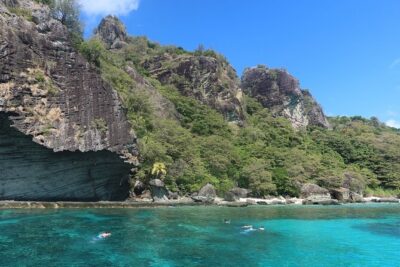 ★ 5.0Cruisin Fiji: Authentic Fijian Day Cruise – Best Day in FijiFrom $1452,409 reviews
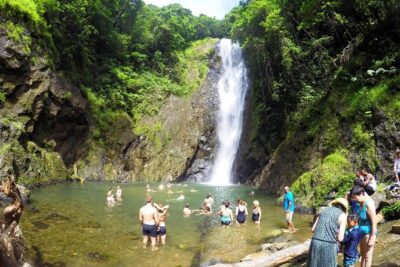 ★ 5.0Jewel Of Fiji incl Fijian Village, waterfall & Lunch(Nadi Hotels)From $111570 reviews
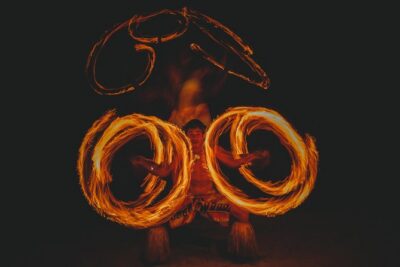 ★ 4.5Cultural Night TourFrom $82470 reviews
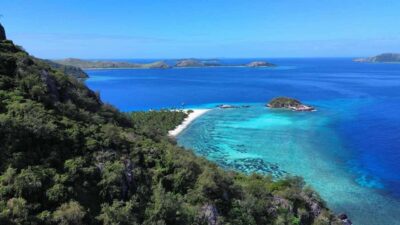 ★ 4.8Authentic Fijian Day Cruise by BoatFrom $143342 reviews
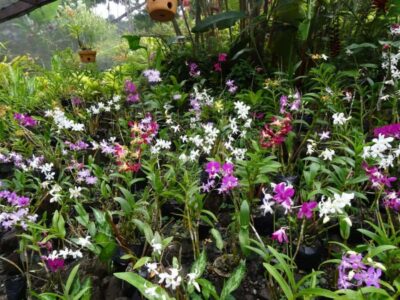 ★ 4.6Garden Village Hot Spring & Temple Highlights TourFrom $75339 reviews
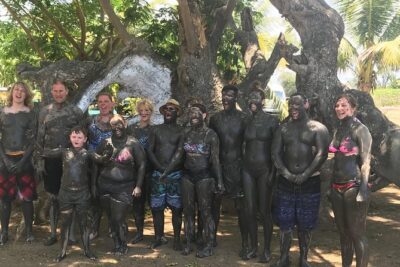 ★ 5.0CFC Hot Spring Mud Pool,Garden Of Sleeping Giant And Village Visit Half Day TourFrom $108302 reviews
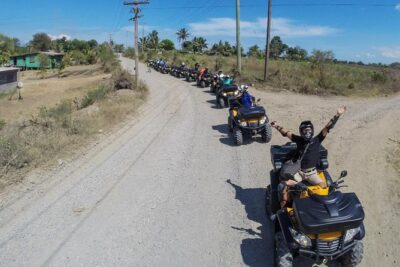 ★ 5.0ATV Quad Bike Adventure Tour to Remote Village and School (Departs Nadi)From $18798 reviews
 ★ 4.5Vuda Lookout, Vesisei Village, Market, Temple & Garden of Sleeping Giant TourFrom $31797 reviews
Browse the lists this tour appears in