
REVIEW · FIJIAN VILLAGE & CULTURE TOURS
Fiji: Village & Mud-Crab Catching Tour
Mud crabs, drums, and river rides in one day. This half-day style adventure mixes Vusama Village culture with hands-on mud-crab work, then wraps it in an island day on Likuri Island.
I especially like the warm structure of the village visit. You get a proper welcome, a kava ceremony, and time to learn about things like the lali drums inside the community spaces.
One caution: the mud-crab part can be more of a river activity than a long, full catching experience, so set expectations for short, guided moments rather than a long fishing expedition.
Key highlights worth planning around
- Vusama Village welcomes you with a lei, warrior escorts, and time with the chiefs bure
- Kava ceremony and learning about lali drums make the culture portion feel intentional
- Mud-crab pots and a cooking lesson connect the river activity to what you eat later
- Likuri Island has real options, like kayaking and snorkeling (weather dependent)
- BBQ buffet lunch with salads and baked rolls keeps the island day comfortable and filling
- You can take the mud-crab recipe home, which is a nice souvenir beyond photos
In This Review
- Vusama Village on the Tuva River: what the welcome is really like
- Kava ceremony, lali drums, and the village dance rhythm
- From village to island: river boats, a fishing stop, and a jungle cruise
- Mud-crab catching: what you do, and how it connects to the meal
- Likuri Island time: snorkeling, kayaking, hammocks, and on-land options
- BBQ lunch and the mud-crab cooking lesson: the payoff
- Price and value at $118 per person for a 6-hour day
- Weather, timing, and what to pack so the day goes smoothly
- Who should book this Fiji Village and Mud-Crab tour
- Should you book this Village & Mud-Crab Catching Tour?
- FAQ
- How long is the Fiji Village & Mud-Crab Catching tour?
- What time does the boat leave, and what day does the tour run?
- Is snorkeling included?
- What is included in the village experience?
- What should I bring for the day?
- Is the tour suitable for wheelchair users or very elderly travelers?
- Can I cancel and do I have to pay right away?
- Final call: pick your style
Vusama Village on the Tuva River: what the welcome is really like
This tour starts by getting you out of the city pace and into river-country Fiji. You’re picked up by an air-conditioned coach from many hotels in the Nadi and Coral Coast area, then you head toward the Robinson Crusoe area as the landscape changes from roads and buildings to river and village approach.
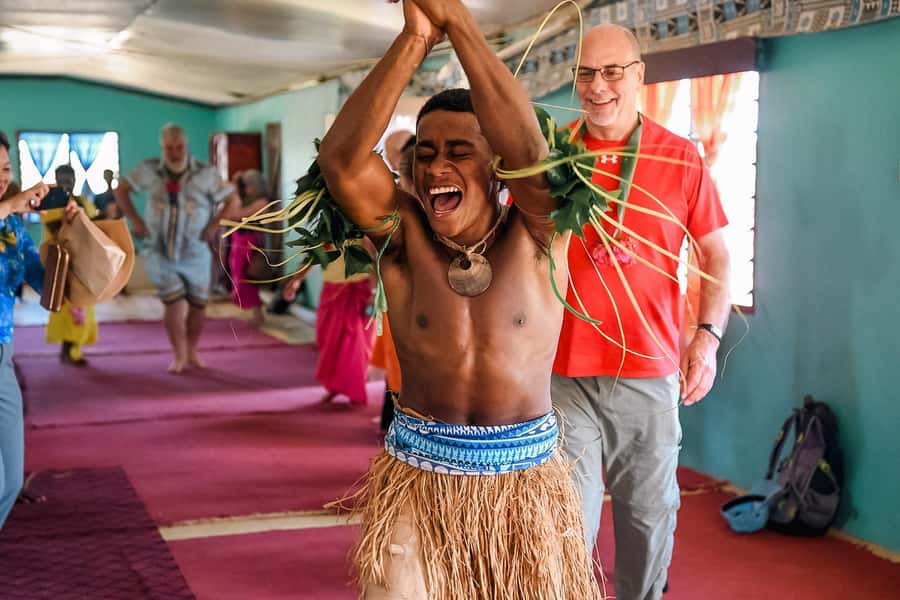
The first big moment lands at Vusama Village on the Tuva River. You arrive and are met by warrior escorts, who guide you into the village. That escort part matters because it frames the visit as more than sightseeing. It signals that you’re entering a living place with its own rhythm.
Inside the village, you’ll be greeted by villagers with a flower lei, then you’ll spend about 45 minutes on a guided tour. I like how this portion is clearly structured around spaces and traditions, not just a quick photo stop. You also get to visit the chiefs bure, where you’ll learn about local life and tradition at the heart of the community.
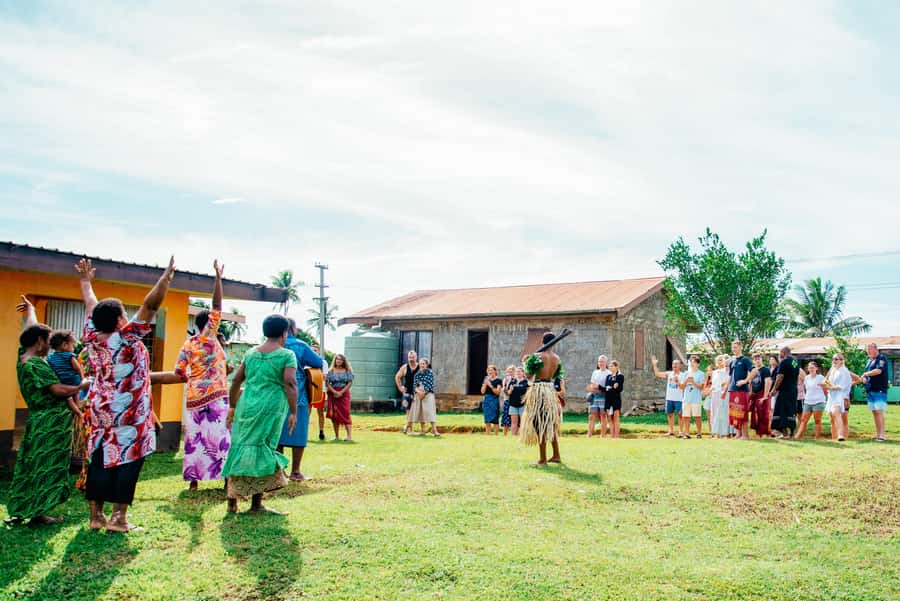
If you enjoy learning through people, you’ll likely appreciate the way the day balances formal moments with shared community energy. There’s even a farewell dance at the end, which helps the visit feel like a finished circle rather than a quick drop-and-go.
What to watch for: the village portion is designed as a short, meaningful experience. You’re not meant to spend hours wandering. If you want long, independent free time in a village setting, this isn’t built for that.
Other village visits and kava afternoons we have covered
- CFC Hot Spring Mud Pool,Garden Of Sleeping Giant And Village Visit Half Day Tour
★ 5.0 · 302 reviews - Fiji Cultural Full Day Island Cruise With Lunch & Transfers
★ 4.5 · 88 reviews - Nadi Sightseeing Including Viseisei Lookout, Village Tour, Garden & Temple Tour
★ 4.5 · 63 reviews - Nadi: Fijan Culture Night Tour with Dinner & Kava Ceremony
★ 4.9 · 57 reviews
Kava ceremony, lali drums, and the village dance rhythm
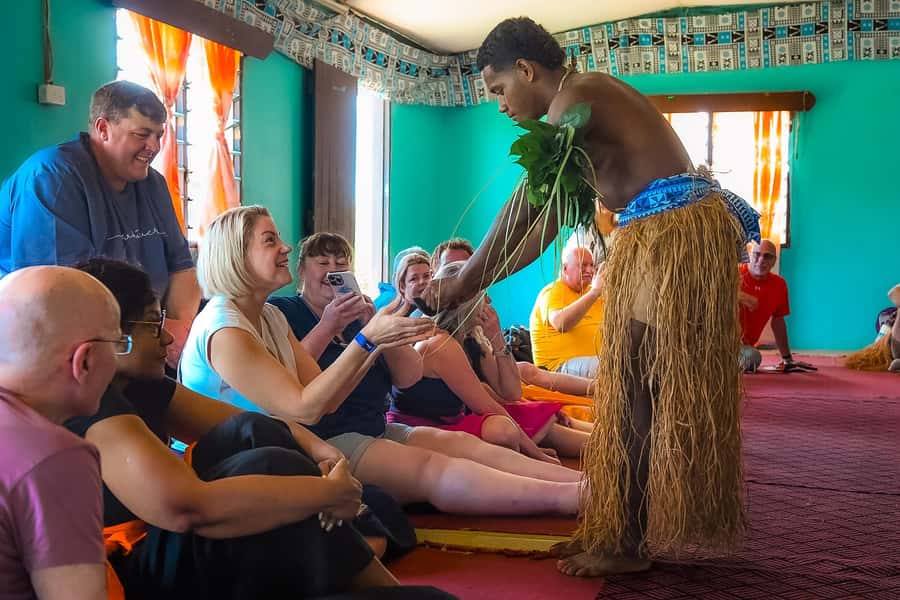
The kava ceremony is one of the tour’s signature parts. It’s a traditional Fiji custom and the day gives you time to participate as part of the welcome flow. Even if you’ve never had kava, this is usually not complicated, because the group structure keeps things moving.
A highlight is the chance to learn about the lali drums, which are closely tied to communication and cultural expression. You’re not just told about drums as an idea. You’re brought into the experience of hearing or discussing what they mean, and how they fit into the village world.
Then you finish with a farewell dance with the community. That’s the part that tends to stick, because it creates a shared ending you can’t fake with a camera. You’ll walk away with more than a few photos, you’ll remember how the day felt when it wrapped up together.
My practical advice: go in with a calm attitude. Village culture experiences work best when you treat them like you’re being hosted. Ask questions, listen, and keep your phone use respectful.
From village to island: river boats, a fishing stop, and a jungle cruise
After the village tour, the day shifts from cultural spaces to water movement. You’ll return to the river boats, and the timing stays tight enough to keep the day from dragging. The schedule includes another boat segment after the village, with a river-to-island connection later.
There’s also a stop that feels like a bonus add-on: a fishing village segment with marine-life viewing for about 20 minutes. You’ll be out on the water and you get a short look at what’s happening around the coast and river environment.
Then the day really turns island-mode on Likuri Island. Before you get there, you make a 35-minute jungle cruise to the island. This is not just transport. It’s a scene-setter, with river vegetation and a sense that you’re moving deeper into a more protected, natural-feeling setting.
When you arrive at Likuri Island, the team meets you with an energetic welcome song. That energy matters because it signals the island staff are doing more than running a day program. You get the sense of a transition from village morning to island afternoon.
What to expect on the water: the day involves multiple boat rides, including short segments. Wear clothes you don’t mind getting damp, because humidity and spray are part of the setting.
Mud-crab catching: what you do, and how it connects to the meal
The mud-crab portion is the headline, but it’s important to understand the actual pacing. The day includes helping pull up mud crab pots with the crew. It’s hands-on enough to feel real, but it’s not the kind of activity that fills the entire morning with nonstop crabbing.
This matters for expectations. One of the clearest pieces of practical feedback is that the mud-crab catching is often a shorter pit stop inside a larger cultural and island itinerary. So you’ll likely spend your time across multiple experiences, not exclusively on mud crabs.
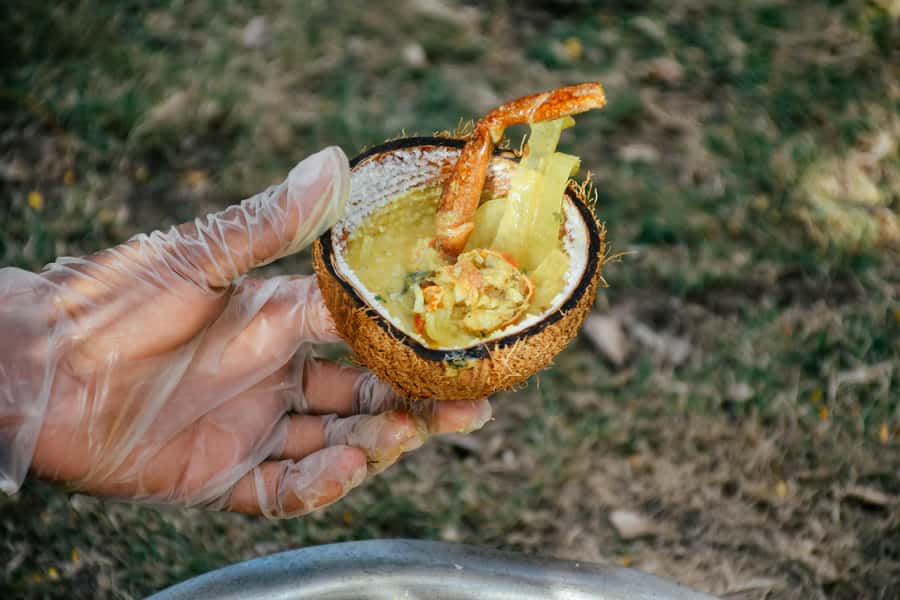
Where it becomes satisfying is in the cooking component later. You’ll join the island’s cooking-focused moments after lunch. The tour includes a mud crab cooking lesson that uses natural, island-sourced ingredients. And yes, you can take the recipe home, which turns the experience into something you can redo rather than just a memory.
If you love food and you like learning flavors, this structure works. You catch or retrieve the crabs earlier, then the lesson later gives you the why and how of the curry style preparation. It also makes the day feel less like a trick where you only watch the activity and then eat something unrelated.
One consideration: the mud-crab part can feel more like assisted harvesting than a long catching adventure. If you’re imagining a full-on, extended crabbing expedition, you may want to compare this with tours that focus only on fishing.
Likuri Island time: snorkeling, kayaking, hammocks, and on-land options
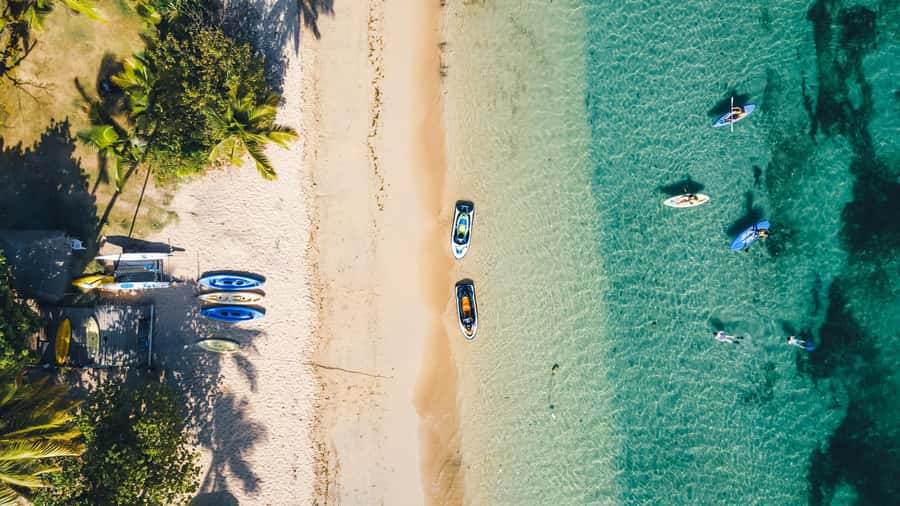
After the mid-day flow, you get a block of island activities. Likuri Island is set up so you can choose your pace. Some people will want water time, others will prefer calmer land options.
Snorkeling is included, but it’s subject to weather conditions. That matters because even a great day can change if the water is rough or visibility is limited. If you’re the type who hates uncertainty, have a backup mindset and plan to enjoy other activities if snorkeling doesn’t happen.
Kayaking is also included, which is a nice middle ground if you want movement without committing to full swim time. You’ll also see time set aside for wildlife viewing. That’s typically more about noticing what’s around you than expecting a guaranteed “big animal” moment.
For people who’d rather stay on land, there’s an included bush medicine walk plus an ancient pottery site visit. This is a good match for travelers who like cultural and ecological learning without being in the water the entire time. It also helps balance out the day so it doesn’t feel like a pure resort beach day.
You’ll likely notice the island has amenities and relaxation space too, including hammocks. Fijian massages are available through the Likuri Spa, but those aren’t part of the core inclusions listed for the tour, so consider it an optional add-on.
My advice for best comfort: bring your sarong and use it. It’s handy as a cover-up after getting wet, a light towel alternative, or just something to dry off with when you move between boat, beach, and cooking space.


BBQ lunch and the mud-crab cooking lesson: the payoff
The food on this tour is where the day’s value becomes easy to measure. You get a tropical BBQ buffet lunch with a mix of salads and island baked rolls. Lunch is scheduled as a full, calm block, so you’re not eating in a rush. That makes a difference on a day packed with movement.
Then the cooking lesson is the real “do it yourself” payoff. You’ll learn how to cook the mud crab catch using natural, island-sourced ingredients. The lesson is structured enough that you won’t feel lost, and it’s short enough to keep you energized rather than exhausted.
The best part is that you can take home the recipe. If you like cooking or you want a functional souvenir, this is more memorable than another keychain.
Also, there’s a note that the day includes weaving, carving, and pottery making demonstration. That’s worth mentioning because it’s a good pairing with the cooking lesson. You’re seeing how craft, food, and daily life connect in the culture experience.
Price and value at $118 per person for a 6-hour day
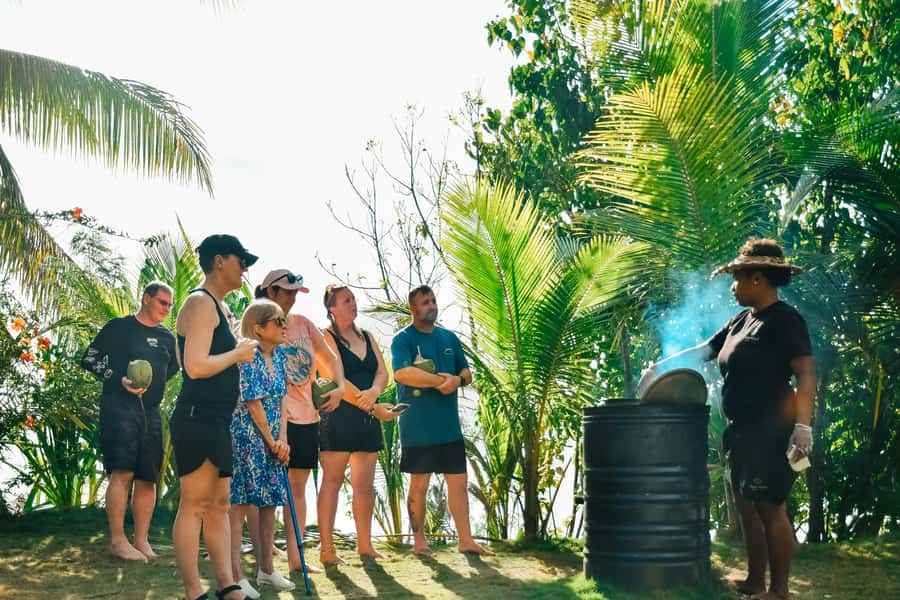
At $118 per person, you’re paying for a bundle: hotel transfer, multiple transport segments, guided village time, a traditional kava ceremony, island meals, plus hands-on elements like kayaking and the cooking lesson.
Is it cheap? No. But it can feel fair if you genuinely want the combined package:
- cultural welcome at Vusama Village with a chiefly bure visit and kava
- river activity involving mud crab pots
- Likuri Island time with snorkeling (weather dependent) and kayaking
- lunch that’s more than a snack
- a cooking lesson you can replicate later
If your priority is only one thing, like long mud-crab catching or nonstop beach time, the blended format may feel less direct. One piece of feedback also suggests the island portion can feel more resort-like than expected, so your enjoyment may depend on whether you like structured “activity day” schedules.
Smart way to judge value: if you’d pay for even two major parts on your own, like a village cultural tour plus a guided cooking class, the total starts to make sense. If you’re mainly there for scenery and a casual swim, you might be better off with a simpler half-day plan.
Weather, timing, and what to pack so the day goes smoothly
Weather is the main variable. Snorkeling is specifically subject to weather conditions, and river days can also feel slower if conditions are rough. In one reported experience, the day was impacted by poor weather, so plan for the possibility that not every water activity is guaranteed.
Timing can also shift because this is a day with coach transfers and boat schedules. The tour is described as 6 hours overall and includes an island departure at 4:00 pm, with return by coach afterward. In practice, traffic and waiting time can stretch the feeling of the day for some groups.
That’s why it helps to pack smart:
- Water (you’ll be outside and moving between stops)
- Towel
- Camera
- Sarong (useful for beach time and comfort between zones)
Also remember the day has a clear rule: alcohol and drugs aren’t allowed.
If you’re sensitive to motion, the multiple boat rides can feel active. Bring seasick habits if you typically need them. The tour doesn’t advertise it, but you’ll be on the water more than once.
Who should book this Fiji Village and Mud-Crab tour
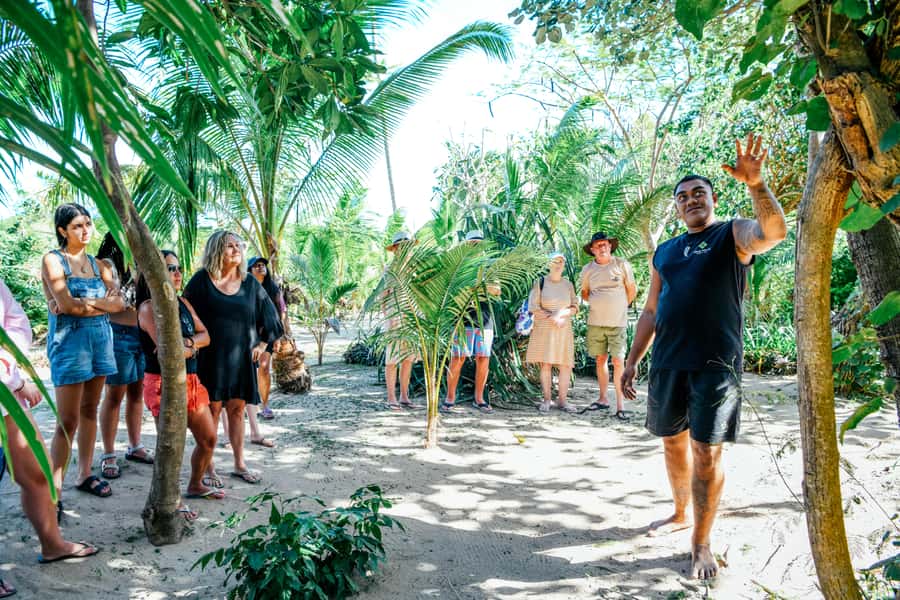
This is a good fit if you:
- want a culture plus food day, not just a beach-and-snorkel half-day
- like guided experiences where you learn something practical and local
- enjoy hands-on activities, even if they’re time-limited
- don’t mind a schedule that mixes village time, river segments, and island options
You might want to skip or choose another plan if you:
- only care about mud-crab catching for a long, focused fishing session
- need full wheelchair accessibility, since the tour isn’t suitable for wheelchair users
- are traveling with someone over 95 years, because it’s noted as not suitable for that age group
Should you book this Village & Mud-Crab Catching Tour?
Book it if you want a single day that connects Vusama Village hospitality with river activity and then turns your catch into an actual cooking lesson you can take home. The kava ceremony, the lali drum learning, and the shared farewell dance make it feel like a real cultural visit, not just a performance for tourists.
Pass if your top priority is a long mud-crab fishing session, or if you’re deeply dependent on snorkeling happening. Since snorkeling is weather dependent and the mud-crab catch can be more of a short river moment, you’ll enjoy the day more if you’re flexible.
If you’re the type who likes a well-paced “see, do, eat” Fiji day, this one can be a solid value at $118.
FAQ
How long is the Fiji Village & Mud-Crab Catching tour?
The tour duration is 6 hours.
What time does the boat leave, and what day does the tour run?
The boat departs the Robinson Crusoe Jetty at 10:00 am, and it departs the island at 4:00 pm. The tour runs every Monday, Wednesday, and Saturday.
Is snorkeling included?
Snorkeling is included, but it is subject to weather conditions.
What is included in the village experience?
The village portion includes a guided village tour, a traditional kava ceremony, and time with the chiefs bure. It also includes learning about the lali drums and a farewell dance.
What should I bring for the day?
Bring a towel, camera, water, and a sarong.
Is the tour suitable for wheelchair users or very elderly travelers?
The tour is not suitable for wheelchair users, and it’s also not suitable for people over 95 years.
Can I cancel and do I have to pay right away?
Cancellation is free up to 24 hours in advance for a full refund. You can also reserve now and pay later.
Final call: pick your style
If you want one organized day that ties together village welcome, kava, river work, and a real cooking lesson, this is worth your time. If you’re hunting for a long mud-crab fishing-focused experience or you need guaranteed snorkeling, look at alternatives so the day matches what you actually want to do.
More Fiji Tours in the Same Bracket

Everything Else We Have Reviewed in Fiji


Villages, Kava and Meke
Recently reviewed across the Fiji islands
- Private Roundtrip Transfer – Nadi Airport to Crown Plaza Nadi Bay★ 5.0 · 3 reviews
- Private Transfer-Nadi Airport to Nanuku /Pearl/Uprising Resort★ 4.0 · 3 reviews
- Private Arrival Transfer Nadi Airport to Shangri-la Resort★ 5.0 · 3 reviews
- CFC Approved Private Arrival Transfer – Nadi Airport to Fiji Marriott Resort★ 5.0 · 3 reviews
- Nadi Airport to All Denarau Islands Resorts (Private Transfer)★ 5.0 · 3 reviews
- Kava Factory Tour and Flavored Kava Tasting Experience★ 5.0 · 3 reviews
Fijian Village & Culture Tours, compared.
 ★ 5.0Cruisin Fiji: Authentic Fijian Day Cruise – Best Day in FijiFrom $1452,409 reviews
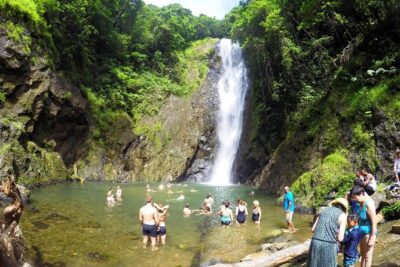 ★ 5.0Jewel Of Fiji incl Fijian Village, waterfall & Lunch(Nadi Hotels)From $111570 reviews
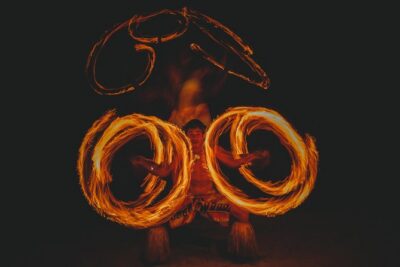 ★ 4.5Cultural Night TourFrom $82470 reviews
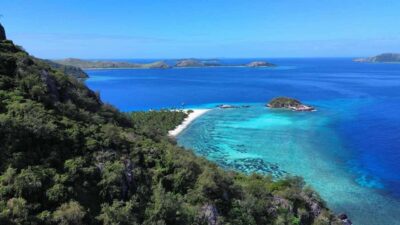 ★ 4.8Authentic Fijian Day Cruise by BoatFrom $143342 reviews
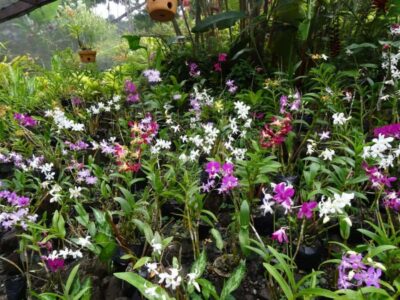 ★ 4.6Garden Village Hot Spring & Temple Highlights TourFrom $75339 reviews
 ★ 5.0CFC Hot Spring Mud Pool,Garden Of Sleeping Giant And Village Visit Half Day TourFrom $108302 reviews
 ★ 5.0ATV Quad Bike Adventure Tour to Remote Village and School (Departs Nadi)From $18798 reviews
 ★ 4.5Vuda Lookout, Vesisei Village, Market, Temple & Garden of Sleeping Giant TourFrom $31797 reviews
Browse the lists this tour appears in