
REVIEW · CORAL COAST TOURS & DAY TRIPS
Coral Coast & Village School Tour from Nadi or Denarau
Kava welcome meets village school. This half-day Coral Coast tour from Nadi or Denarau pairs a Sigatoka market bargain stop with a Lawai Pottery Village ceremony, plus a drive along real back roads toward the Sigatoka River. I love that you get culture through everyday places, not staged stops, and I also like the hands-on pottery focus. One caution, the school visit may feel short or quiet if classes are not running when you arrive.
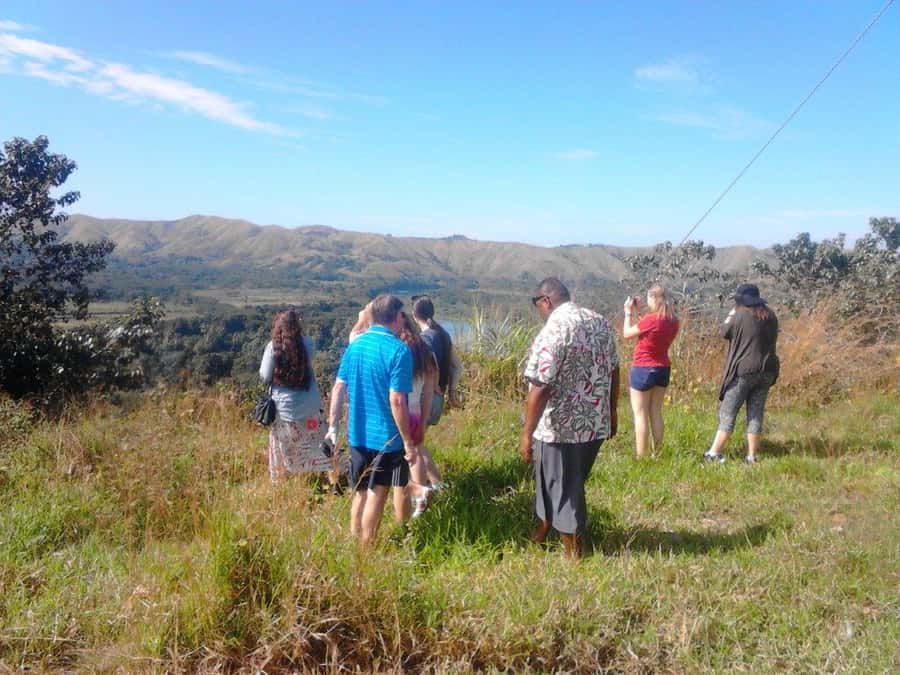
The route follows the southern beaches for a scenic start, then cuts inland toward Sigatoka. Along the way, you will end with a hilltop stop to see the big Hare Krishna temple overlooking the river below.
This is a good fit if you want local flavor without a ton of walking. I also like that it is led by live English commentary and you can ask questions, and guides like Deo and Kamal have been praised for being friendly and flexible. Do note the dress rule, sleeveless shirts are not allowed, so pack something with sleeves.
In This Review
- Key things I’d plan around
- Setting Off From Nadi or Denarau, and Why the Timing Works
- The Coral Coast Drive to Sigatoka, With More Than Just Pretty Roads
- Sigatoka Market: How to Bargain Without Turning It Into Awkward Theater
- The Village School Visit, and What to Expect When the Timing Is Out of Your Control
- Lawai Pottery Village: Kava Welcome First, Then Craft Work and Performance
- Pottery From Riverbed Clay, and Why This Craft Matters
- The Hare Krishna Temple Stop: A Simple Add-On With Big Views
- Price and Value for $88, What You Pay For and What You Need to Plan
- Who This Tour Suits Best (and Who Might Want Something Different)
- Should You Book the Coral Coast & Village School Tour?
- FAQ
- How long is the Coral Coast & Village School Tour?
- Where do I get picked up for the tour?
- Is lunch included in the tour price?
- What should I bring?
- What clothing is not allowed?
- Are there child age rules?
Key things I’d plan around
- Coral Coast drive with local commentary so the scenery connects to real life, not just viewpoints
- Sigatoka market bargaining with a script you can use, even if your haggling skills are rusty
- Village school stop in Sigatoka for a glimpse of education and community rhythms
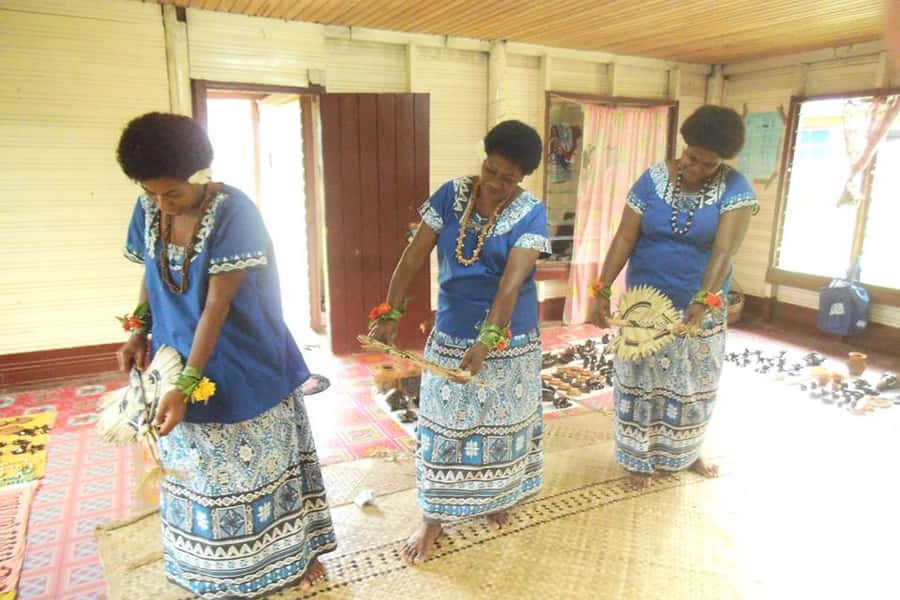
- Lawai Pottery Village kava welcome where the ritual is shared as hospitality, not a show
- Pottery-making demo and meke dance giving you both craft and performance in one place
More of the Coral Coast, one trip at a time
- Kula Eco Park Admission
★ 4.0 · 86 reviews - “Coral Coast Adventure: Pottery, Kava, Meke, Dunes & Temple”
★ 5.0 · 20 reviews - Coral Coast & Village School Tour from Nadi or Denarau
★ 5.0 · 9 reviews - Fijian pottery crafting Village Experience & Natadola Beach Tour
★ 5.0 · 8 reviews
Setting Off From Nadi or Denarau, and Why the Timing Works
This is a half-day outing (390 minutes, about 6.5 hours) that starts with pick-up from the lobby of your centrally located hotel in Nadi or Denarau. That matters because you skip the hassle of coordinating transport on your own and you can stay focused on the experience.
You’ll be on the road for a while, but it is not a long “bus day” where you just stare out the window. The pacing is built around stops with clear cultural purpose: market time, a village school visit, then the Lawai Pottery Village ceremony and craft demo. It’s the kind of schedule that fits well when you only have one full day in Fiji, or when you want something meaningful but not exhausting.
Live English commentary runs throughout, so you get context for what you are seeing. Guides named Deo and Kamal have been highlighted in past experiences for being informative, friendly, and flexible, which is exactly what you want on a day where timing depends on local schedules.
The Coral Coast Drive to Sigatoka, With More Than Just Pretty Roads
From Nadi or Denarau, the drive heads along the southern beaches before the route turns inland toward the Sigatoka River. You’ll get that “you are actually leaving the main strip” feeling fast, especially once the road starts to wind toward Sigatoka and the scenery shifts from coastal views to river country.
I like this part because it sets up the day’s theme: learning Fiji through place. The coastal start gives you a sense of what the area is known for, and the inland turn explains why Sigatoka is such a hub for local life. When you later reach the market and the pottery village, the day clicks into focus.
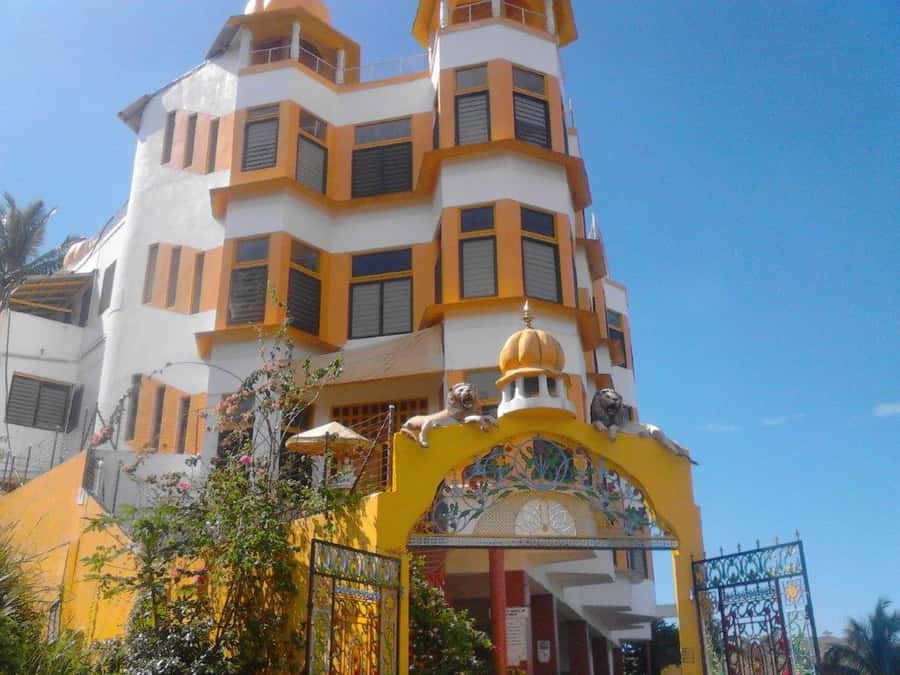
You’ll also end the outing with a hilltop landmark. Before you head back, there is time to check out Sigatoka’s massive Hare Krishna temple, perched above the river. It is a simple stop, but it helps round out the picture of how different parts of the area coexist.
Sigatoka Market: How to Bargain Without Turning It Into Awkward Theater
Sigatoka market is where you get to slow down and actually interact. The tour includes time to move through the market area with a guide, checking out the tropical produce and seasonal fruits in colorful mounds. Then you get the best part: bargain like a local.
Even if you have never haggled before, you’ll be in good shape because the tour experience is set up for guidance and commentary. The guide helps you understand what is worth asking about, and how to approach sellers without acting like you’re on a game show.
Here’s how I’d make this market stop work in your favor:
- Bring cash, since the tour notes cash as a must-have. Markets are where you’ll likely spend it.
- Go in with a purpose, not just browsing. Decide if you want fruit, small gifts, or pottery-related items.
- Expect a back-and-forth. Bargaining is part of the culture of buying here, not a mistake you’re trying to fix.
One extra thought: since you do not get lunch included, you might end up buying snacks or fruit during this stop. Build in that flexibility so you’re not hungry later.
The Village School Visit, and What to Expect When the Timing Is Out of Your Control
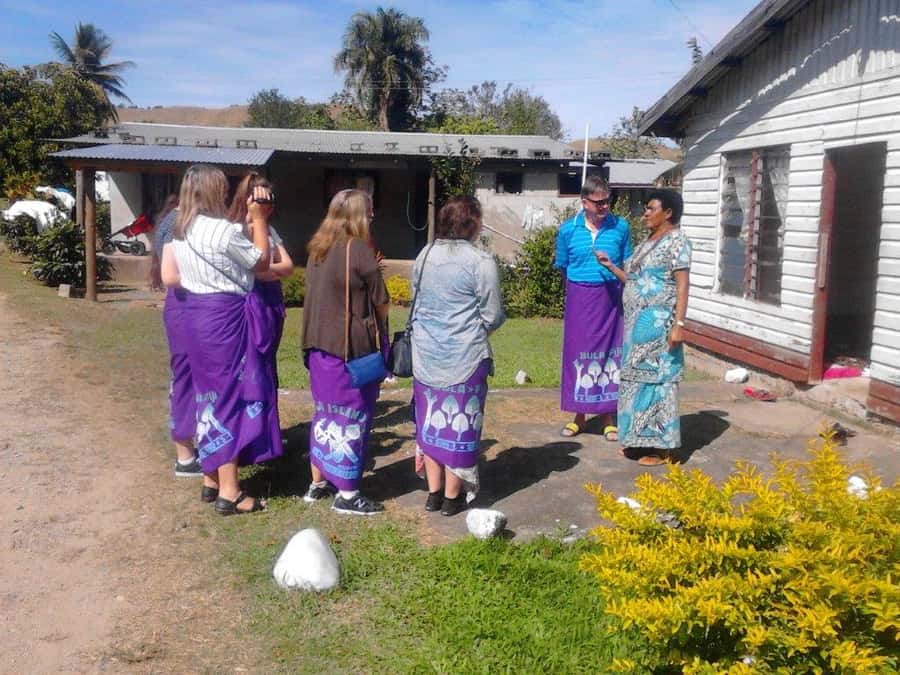
The tour includes a village school visit in Sigatoka. This is one of those moments that can be more meaningful than it sounds on paper. You are not just seeing school buildings from the outside. You get a look at community education as part of daily life.
That said, I want to be honest about expectations. In one past experience, the school was not in session during the visit. So if you were picturing lots of kids actively in class and you’re hoping to capture the full energy of school day routines, there is a chance it will be quieter than you imagine.
The smart way to handle this is to treat the visit as a chance to observe and ask questions rather than a guarantee of a particular classroom schedule. When it is quiet, you can still learn a lot about the setting and the community. When it is active, you’ll likely get a more lively look at how the school day works.
Either way, this stop is valuable because it ties the rest of the day to real people, not just craft stations.
Other village visits and kava afternoons we have covered


Lawai Pottery Village: Kava Welcome First, Then Craft Work and Performance
Lawai Pottery Village is the cultural heart of the tour. You arrive to a traditional kava ceremony, where you see villagers pound the kava root to create an earthy liquid shared as a sign of welcome.
This is one of the most praised parts of the experience because it is not just watching a performance. It is part of an exchange, with you as the receiver of hospitality. You’ll also see a meke dance, a traditional performance that adds energy after the calmer kava welcome.
If you want to get the most out of this section, focus on being present. The best learning here comes from listening during the explanation and then watching the step-by-step process. The tour includes a demonstration on how traditional pottery is made, and the craft is described in a practical way, including how local plants such as eucalyptus resin are used for glazing and decoration.
Pottery From Riverbed Clay, and Why This Craft Matters
After the kava ceremony, the tour shifts into pottery-making work. You’ll watch locals crafting pottery using the silt clay from the riverbed. That detail is more than trivia. It connects the craft directly to local materials and local knowledge.
You’ll also get a clearer sense of the full process, not just the finished pieces. The demonstration covers how the wares are shaped and how resin from local plants is used to glaze and decorate. That means you see how the function of the pottery and the tools used to make it are tied to the environment around Sigatoka.
This is where the day feels especially “Fiji” because the craft is rooted in place. You are not touring a museum version of pottery. You’re watching something that depends on local resources and traditional technique.
The Hare Krishna Temple Stop: A Simple Add-On With Big Views
Near the end of the tour, you’ll stop at Sigatoka’s massive Hare Krishna temple, perched on a hilltop with views over the river below. This part is shorter, but it gives your eyes a break from village activities and gives you a sense of scale for the region.
If you like taking photos, this is the moment to do it. The view helps you connect the day’s story. You saw the river drive and the inland route, and now you get to look down from above.
Price and Value for $88, What You Pay For and What You Need to Plan
At $88 per person for roughly 6.5 hours, this tour is priced like a cultural access package, not just transportation. You do get a lot in exchange:
Included:
- guided tour of the Coral Coast
- admission fees
- bottled water and soft drinks
- round-trip transport from your Nadi or Denarau hotel
- live tour commentary in English
Not included:
- lunch
To me, the value is strongest if you want multiple cultural hits in one day without arranging separate tickets or guides. You are paying for the combo: coastal driving with context, a guided market stop with bargaining support, a village school visit, and the Lawai Pottery Village ceremony plus pottery demonstration and meke dance.
My practical advice: treat lunch as your personal responsibility and plan around it. Since lunch is not included, you might eat before you go, or you might grab something on the market time if you find suitable options. Either way, you’ll avoid that post-market dip where everyone suddenly gets cranky and starts bargaining with the schedule.
Also, bring cash. It is explicitly recommended, and it will be most useful at the market and for any crafts you decide to buy.
Who This Tour Suits Best (and Who Might Want Something Different)
This tour fits best if you:
- want a half-day cultural introduction to the Coral Coast area
- enjoy markets and prefer guided bargaining support
- want a real village school stop plus a craft-centered experience at Lawai Pottery Village
- like structured days where English commentary ties everything together
It might feel less ideal if you are coming mainly for a long beach day or big hiking. This is not that. The experience is more about community, craft, and ceremony than stretching out with active adventure.
There is also a “timing reality” built in. The school stop may not be at the loudest moment of the school day depending on schedules, and the day can feel more observational than hands-on with kids.
Still, if your goal is to get a genuine feel for Fiji through a few connected stops, this is a strong choice.
Should You Book the Coral Coast & Village School Tour?
I’d book it if you want an efficient, culture-forward day that mixes scenic driving with real local moments. The big wins are the kava welcome, the pottery-making focus tied to riverbed clay, and the chance to bargain in Sigatoka with a guide who can help you do it smoothly. Past guests have also praised guides like Deo and Kamal for friendliness and flexibility, which is exactly the kind of leadership that makes a half-day feel less rushed.
I would hesitate only if you are very strict about timing and want the school visit to be in full swing. Since classes are not guaranteed to match your hopes, come with a flexible mindset.
If you pack sleeves, bring cash, and plan for lunch on your own, this tour should give you a memorable slice of Fiji beyond the resort bubble.
FAQ
How long is the Coral Coast & Village School Tour?
The tour lasts 390 minutes (about 6.5 hours).
Where do I get picked up for the tour?
Pick-up is from the lobby of your centrally located hotel in Nadi or Denarau.
Is lunch included in the tour price?
No. Lunch is not included.
What should I bring?
Bring a towel and cash.
What clothing is not allowed?
Sleeveless shirts are not allowed.
Are there child age rules?
Yes. Children age 4 and under can join for free. Children age 12 and under must be accompanied by a paying adult. If you will need a car seat, notify the local tour operator in advance.
Everything Else We Have Reviewed in Fiji




Villages, Kava and Meke


Down the Coral Coast



Recently reviewed across the Fiji islands
- Private Roundtrip Transfer – Nadi Airport to Crown Plaza Nadi Bay★ 5.0 · 3 reviews
- Private Transfer-Nadi Airport to Nanuku /Pearl/Uprising Resort★ 4.0 · 3 reviews
- Private Arrival Transfer Nadi Airport to Shangri-la Resort★ 5.0 · 3 reviews
- CFC Approved Private Arrival Transfer – Nadi Airport to Fiji Marriott Resort★ 5.0 · 3 reviews
- Nadi Airport to All Denarau Islands Resorts (Private Transfer)★ 5.0 · 3 reviews
- Kava Factory Tour and Flavored Kava Tasting Experience★ 5.0 · 3 reviews
Coral Coast Tours & Day Trips, compared.
 ★ 4.0Kula Eco Park AdmissionFrom $3286 reviews
 ★ 5.0Largest Zipline in South Pacific & Cave Exploration Coral CoastFrom $11539 reviews
 ★ 4.5Fiji Coral Coast VentureFrom $7020 reviews
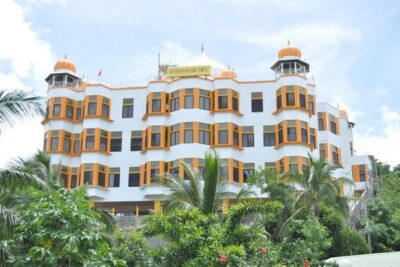 ★ 5.0“Coral Coast Adventure: Pottery, Kava, Meke, Dunes & Temple”From $12120 reviews
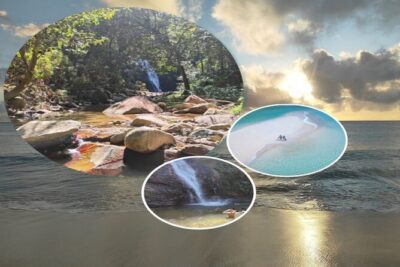 ★ 5.0”Coral Coast Adventure: Biausevu Waterfall & Natadola Beach !”From $14819 reviews
 ★ 5.016 Lines Zipline, Cave, Hiking & Biausevu Waterfall Combo TourFrom $18216 reviews
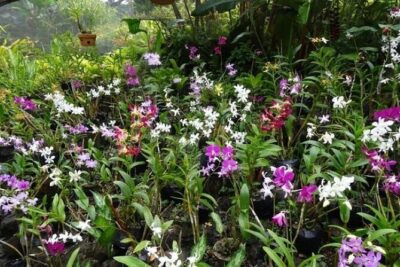 ★ 5.0Full Day Discover Nadi Tour ( From Sigatoka Coral coast Hotels )From $10314 reviews
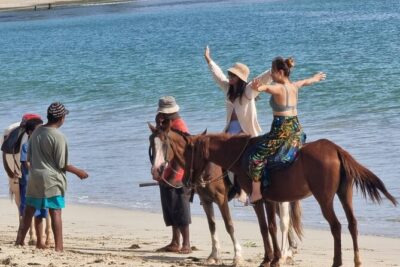 ★ 5.0Fijian pottery crafting Village Experience & Natadola Beach TourFrom $1038 reviews
Browse the lists this tour appears in