
REVIEW · SABETO MUD POOLS & HOT SPRINGS
Fiji Local Village, Market, Temple & Garden of Sleeping Giant with Mud Pool Tour
Mud pools and temples in one half-day. This Nadi tour strings together real Fijian village life, the Sri Siva Subramaniya Swami Temple, and the lush Garden of the Sleeping Giant, then ends with the messy highlight: the Sabeto mud pools also known as Fiji Jaquez.
I love how quickly you get context for daily life in Fiji, from eating and living routines in the Veiseisei village to the tastes at the Nadi produce market. I also like that the day balances culture with nature, so the garden walk feels like a reset before you get splashed, soaped, and muddy.
My main heads-up is practical: you will pay several entrance fees in cash, and the “how guided” each stop feels can vary with weather and timing, so come ready with questions.
In This Review
- Key things to know before you go
- A 9:00 am start, and how that timing shapes the whole day
- Getting oriented in Nadi: pickup and what to expect from the vehicle day
- Veiseisei Village: seeing daily routines, not just a show
- Sri Siva Subramaniya Swami Temple: bright architecture, clear dress rules
- Nadi Produce Markets: quick tasting, smart cash handling, and short attention span
- Garden of the Sleeping Giant: orchids, lily ponds, and a slower pace
- Sabeto Hot Springs and Mud Pools: the Fiji Jaquez payoff
- Price and logistics: why the real cost may be more than $51.57
- What kind of guide experience you will get, and how to work with it
- Weather, timing, and comfort: the small things that change the day
- Who this tour fits best
- Should you book this Fiji local village, market, temple, garden, and mud pool tour?
- FAQ
- How long is the tour?
- What time does the tour start?
- Does the price include entrance fees?
- Is pickup available?
- Is lunch included?
- Are bottled water and other items included?
- What is required for the temple dress code?
- Do I need cash for payments?
- How many people are in the group?
- What if the weather is bad?
Key things to know before you go
- A full Fiji sampler in 4 to 5 hours, starting around 9:00 am
- Temple dress code matters: cover knees and shoulders, sarong support if needed
- Market time is short so decide early what you want to taste or buy
- Garden of the Sleeping Giant is a rainforest stroll with orchids, flowers, and lily ponds
- Sabeto is the messy payoff, with one mudpool plus hot spring pools called Fiji Jaquez
- Bring cash for entries and have small bills if possible
More trips that finish in the Sabeto mud
A 9:00 am start, and how that timing shapes the whole day
This tour runs about 4 to 5 hours, usually starting at 9:00 am. That’s long enough to see several major sights around Nadi, but short enough that you feel the day as a sequence, not a slow ramble.
You ride in an air-conditioned vehicle, and you get bottled water. Pickup is offered, and the activity ends back at the meeting point, so you are not stuck figuring out transport at the end when you are already damp and a bit muddy.
Because the schedule is tight, your best strategy is simple: treat each stop like a quick “see, learn, then move.” You will enjoy it more if you come with a rough plan for what you care about most, village life, temple architecture, or the hot springs payoff.
Getting oriented in Nadi: pickup and what to expect from the vehicle day
The day starts at Iconic Tours Fiji – Excursions of Fiji at Korotogo, Ramada Building, Sigatoka. From there, your driver takes you from place to place in the surrounding Nadi area.
The tour allows up to 60 people, but many visitors prefer this format because it is not a long, all-day bus circuit. Instead, you get a series of stops that feel like a focused sampler.
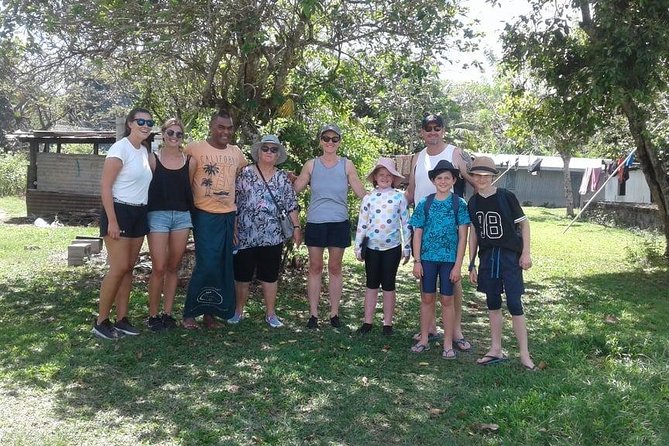
One note from real-world experiences: sometimes you may get a driver who focuses more on driving and less on deep commentary, and other times a guide leads more of the story at key moments. Either way, if you want more detail, ask direct questions early, especially about temple customs and what you are seeing in the village.
Veiseisei Village: seeing daily routines, not just a show
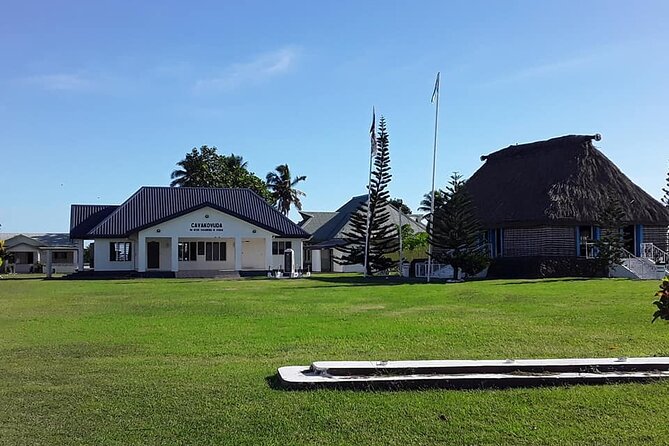
Your first stop is Veiseisei, a local village known as the First Landing Village. You are there for about 45 minutes, and entry is not included in the base price.
What makes this kind of village visit valuable is that it is not only about photographs. You get to see how people live, and how everyday routines shape what visitors notice, clothing, cooking methods, and community spaces.
A realistic thing to plan for: these are living villages, so the pace and depth can differ depending on how the day is running and how many people are in your group. Also, village culture experiences sometimes come with opportunities to buy souvenirs, so decide in advance if you want to browse.
If you go, keep your attitude warm and respectful. Ask before photographing people or homes. And remember, “cultural sensitivity” here is not a buzzword. It is the difference between a comfortable visit and an awkward one.
Sri Siva Subramaniya Swami Temple: bright architecture, clear dress rules

Next up is the Sri Siva Subramaniya Swami Temple, established in 1913. Plan on about 30 minutes here, and entry is not included.
The temple has a practical dress code: you need clothing that covers knees and shoulders. If you arrive short on coverage, you should be given a sarong, which is a lifesaver when you are in hot weather and you dressed for comfort.
What I like about this stop is that the temple’s colorful architecture gives you an easy visual anchor while you learn the context from the guide on-site. Even when you only have half an hour, you can still catch details in the carvings and overall design, then ask questions to connect those visuals to the story the guide is sharing.
One consideration: in rainy conditions or if timing is tight, explanations may feel rushed at the edges. If you care about history and meaning, lean in early with questions like what you are looking at right now, and what visitors should notice first.
Other tours that stop at the orchid gardens
Nadi Produce Markets: quick tasting, smart cash handling, and short attention span
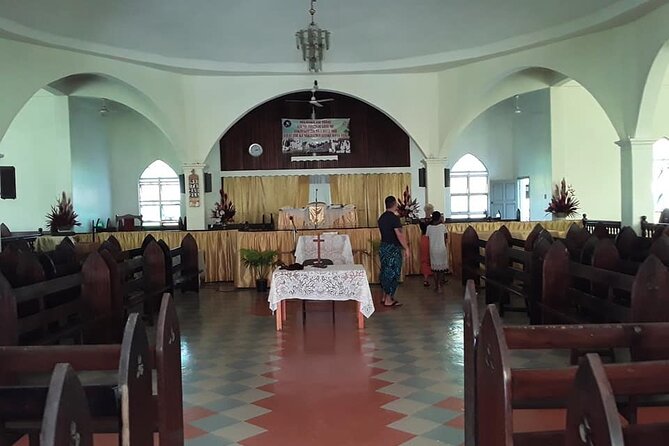
You get a stop at the Nadi Produce Markets for about 15 minutes. Entrance is free, but entrance at other stops is not, so this is a good moment to check your cash situation and make sure you can pay later without stress.
Fiji is tropical, so this is where you may spot seasonal fruits and local staples. The tour includes a chance to see and taste things like seasonal fruits, coconuts, kava, and root crops.
Because the market stop is short, go in with a game plan:
- If you want kava, be ready to try it immediately.
- If you want fresh fruit to carry later, keep it realistic for your schedule.
- If you plan to buy, have cash ready and count it before you commit.
Also, one practical tip: in at least some places on this route, card payments are not accepted. I strongly recommend bringing Fijian cash and having it on hand before you arrive at each entry point.
Garden of the Sleeping Giant: orchids, lily ponds, and a slower pace
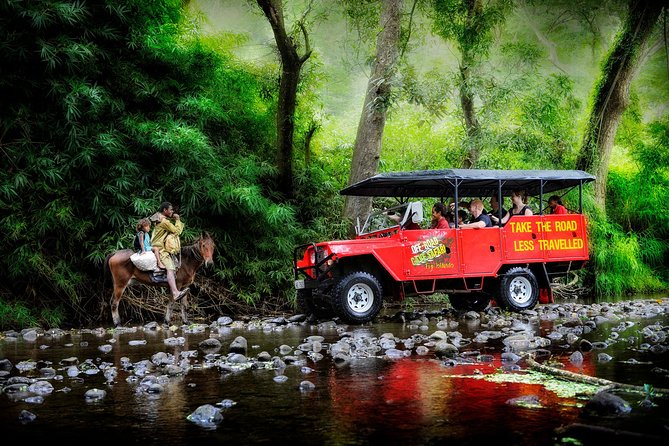
The Garden of the Sleeping Giant is where the day cools down mentally. You spend about 45 minutes here, and entrance is not included.
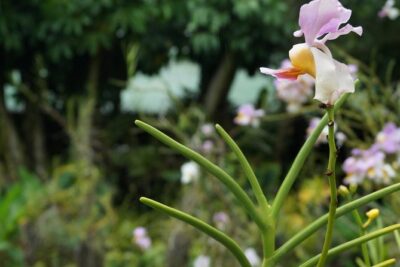
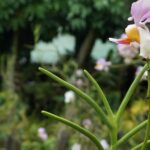
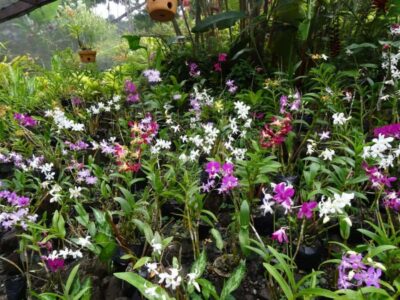
This garden is set up for a relaxed walk in a rainforest-like setting. You move along areas with tall trees, orchids, and flowering plants, with water features like lily ponds and a valley of flowers.
I like this stop because it breaks the day into two moods: culture and nature, then nature and mud. After a temple and a village, your feet and eyes appreciate the change in pace and the green surroundings.
Weather matters here. If it is raining, you can still enjoy the plants and paths, but the flow may change and you may move faster through sections to keep everyone on schedule. If you hate slipping on wet ground, wear shoes with grip, and bring a light rain layer if you run cold.
Sabeto Hot Springs and Mud Pools: the Fiji Jaquez payoff
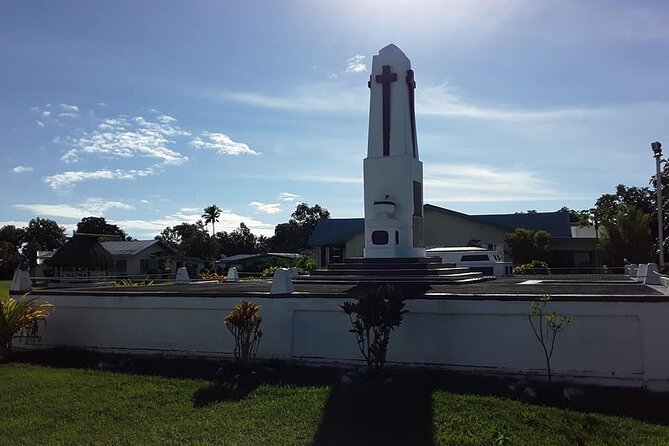
This is the star of the show. You spend about 2 hours at Sabeto Hot Springs and Mud Pool, and entrance is not included.
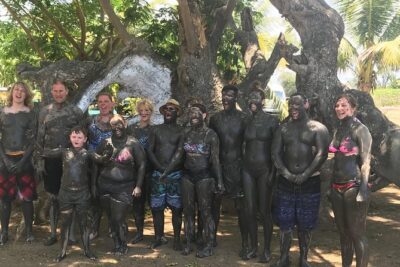
The structure at Sabeto is the key detail: there are five pools, including one mud pool and three hot spring pools, plus the main hot springs source area. Many people remember this part because it is physical, silly, and honestly a bit hilarious once you accept you are going to get dirty.
The local nickname for the hot springs section is Fiji Jaquez, and it fits the vibe. You are not doing a museum visit. You are soaking.
Practical advice for enjoying this part:
- Tie up hair and secure loose items before you start.
- Expect mud cleanup to be part of the experience, not an afterthought.
- If you have sensitive skin, consider a quick rinse plan after the mud pool.
You also should plan to be comfortable with wet transitions. One visitor experience included a guide driving back to help after a bag was left at the mud pool area, which tells you two things: things can get left behind in the excitement, and your guide might help if you ask quickly.
Price and logistics: why the real cost may be more than $51.57
The listed price is $51.57 per person, and the tour includes air-conditioned vehicle and bottled water. Pickup is offered, and you get a mobile ticket.
But entrance fees are not included, and those fees add up across multiple stops. Based on the costs provided:
- Sabeto Hot Springs and Mud Pool: FJD 30.00
- Garden of the Sleeping Giant: FJD 30.00
- Veiseisei Village: FJD 10.00
- Sri Siva Subramaniya Temple: FJD 5.00
So you should budget for entrances on top of the base price. In other words, the “value” comes from the fact you are paying one organized day for several iconic Nadi-area experiences. If you were buying these separately, you would likely spend a similar amount anyway, plus you would spend more time coordinating.
Two more logistics notes that affect value:
- Bring cash. At least some stops on this route appear cash-only, so you do not want to rely on a card.
- Lunch is not included. The tour notes that you can BYO lunch or your driver can stop to grab a bite.
If you want to keep costs controlled, pack snacks and a refillable water strategy for before and after the soaking, then use the provided bottled water wisely during the ride.
What kind of guide experience you will get, and how to work with it
Guide quality is a big deal on this kind of day, and your chances are good. Some visitors highlighted a guide named Sunny as friendly, humorous, and willing to answer questions about Fijian culture and architecture. One story stood out too, with Sunny returning after a guest left a bag at the mud pools.
Still, I think it is smart to go with an expectation that guidance can vary by stop. Some parts of the day may lean more toward “driver gets you there, local guides run each site,” while other parts may include more narration as you drive between places.
If you care about learning, do this:
- Ask what you are supposed to notice right away at the temple and garden.
- Ask the village guide what is most important about daily life there.
- Ask the mud pool staff what is safe and what to avoid.
That way, even if one stop is quieter, you still leave with understanding.
Weather, timing, and comfort: the small things that change the day
This tour is influenced by weather because you are moving between outdoor village paths, a garden walk, and hot springs. One visitor noted that market plans can shift when conditions are tough, and another mentioned that in rain, the garden visit felt more rushed than expected.
Plan your kit like this:
- Wear comfortable shoes you can get wet, because at least one stop involves rain and wet paths at times.
- Bring a light layer for the temple if you get chilly after being sweaty.
- Expect that you will get dirty at Sabeto. Pack a change of clothes and think about how you will dry off.
Also, temple customs mean your clothing plan is not optional. Cover knees and shoulders, even if you are tempted to wear something cooler.
Who this tour fits best
This is a strong fit if you want a short, well-paced introduction to Nadi-area highlights without renting a car. It is also a great day if you want both sides of Fiji: the cultural spaces (village and temple) and the nature spaces (market and Sleeping Giant garden), ending with a hands-on mud bath.
You might want a different kind of outing if you need deep, guided storytelling at every stop. The day can include local explanations that range from very detailed to quick, depending on rain and timing. If you want nonstop lecture-style history, you may have to ask more often and be okay with short stops.
If you love hands-on experiences and do not mind getting muddy, Sabeto is exactly the kind of “only-in-Fiji” thing you will remember.
Should you book this Fiji local village, market, temple, garden, and mud pool tour?
I would book it if you want an efficient day that hits multiple must-do stops around Nadi, with one big, fun climax at Sabeto. The garden and the mud pools are the kind of contrast that makes the itinerary feel satisfying instead of repetitive.
Do it with two preparations: bring cash for entrance fees, and wear the right clothes for the temple plus gear you can get wet for the hot springs. If you show up ready to ask questions and you accept that rain can affect pacing, you will likely have a memorable, very Fiji day.
FAQ
How long is the tour?
The tour lasts about 4 to 5 hours.
What time does the tour start?
The start time is 9:00 am.
Does the price include entrance fees?
No. Entrance fees are listed separately for the Garden of the Sleeping Giant, Sabeto Hot Springs and Mud Pool, Veiseisei Village, and the Sri Siva Subramaniya Swami Temple.
Is pickup available?
Yes, pickup is offered, and the tour includes an air-conditioned vehicle.
Is lunch included?
No. Lunch is BYO, or your driver can stop to grab a bite.
Are bottled water and other items included?
Bottled water is included.
What is required for the temple dress code?
You must cover your knees and shoulders. If you do not have proper clothing, a sarong is provided.
Do I need cash for payments?
You should bring Fijian cash for entrance at locations. One guest noted that cards were not accepted and cash was used.
How many people are in the group?
There is a maximum of 60 travelers.
What if the weather is bad?
This experience requires good weather. If it is canceled due to poor weather, you will be offered a different date or a full refund.
Temples and Markets Around Nadi

The Sleeping Giant, Reviewed Again
Back to the Sabeto Mud Pools

Recently reviewed across the Fiji islands
- Discover Coral Coast Combo Tour★ 3.5 · 3 reviews
- Private Transfer from Nadi Airport to Sigatoka/Outrigger Resort/ Bedarra Inn★ 3.5 · 3 reviews
- Private Transfer from Nadi Airport to Suva City/Suva Hotels★ 4.5 · 3 reviews
- Roundtrip Airport Transportation★ 3.5 · 4 reviews
- Private Guided Lautoka Shore Excursion★ 5.0 · 4 reviews
- Islands & Mountains Adventure★ 5.0 · 4 reviews
Sabeto Mud Pools & Hot Springs, compared.
 ★ 4.6Garden Village Hot Spring & Temple Highlights TourFrom $75339 reviews
 ★ 5.0CFC Hot Spring Mud Pool,Garden Of Sleeping Giant And Village Visit Half Day TourFrom $108302 reviews
 ★ 5.0ATV Quad Bike Adventure Tour Inc Hot Springs & Mud Pool (Departs Nadi)From $191177 reviews
 ★ 4.5Half Day Nadi Sightseeing & Mud Pool TourFrom $7981 reviews
 ★ 5.016 Lines Zipline, Cave and Mud Spa Combo Tour with Lunch in FijiFrom $16865 reviews
 ★ 4.5Discover Mud pool/Hot -Spring NadiFrom $4658 reviews
 ★ 4.2Tifajek Mud Pool & Hotspring Tours & TicketsFrom $2152 reviews
 ★ 4.5Mud Pools-Nadi Private Therapeutic Pools, Gardens, Temple, Market &Shopping TourFrom $11745 reviews